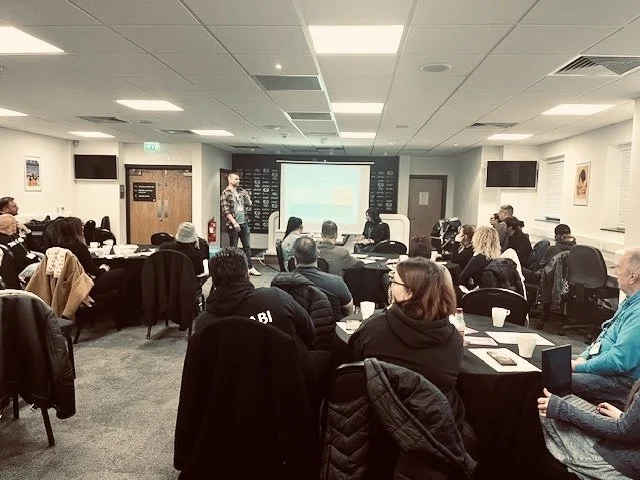
For the latest LEAG updates, scroll down…
Quarterly Meeting
People struggling with addiction, mental health, safe housing, and poverty, have often been excluded from having their say in how healthcare, drug and alcohol treatment, safety, and risk are supported through services and organisations.
Our community may not feel comfortable in voicing their opinions, as maybe they haven't been listened to, or acted upon in the past.
LEAG want to hear from our lived and living experience community, who have used drug & alcohol support services currently, historically, and for any amount of time.
We are committed at SUIT, and with the support of Recovery Near You & Wolverhampton Council’s Public Health Drug and Alcohol Commissioner towards shaping services from the expert experiences of the people using drug & alcohol support.
The quarterly LEAG meeting is for clients and volunteers who shape our important work in supporting recovery.
This is a face-to-face meeting, supported by a lived-experience member of the SUIT team.
All opinions and comments will be valued and listened to.
If you would like to form part of SUIT’s Lived Experience Advisory Group committee, please email christiane.jenkins@wvca.org.uk or jason.spreckley@wvca.org.uk.
SUIT are a lived-experience recovery organisation working alongside the treatment provider Recovery Near You, to ensure service user voice plays an equal part in how services are managed.
If you have feedback, suggestions, questions, or concerns, please fill out the attached form & submit.


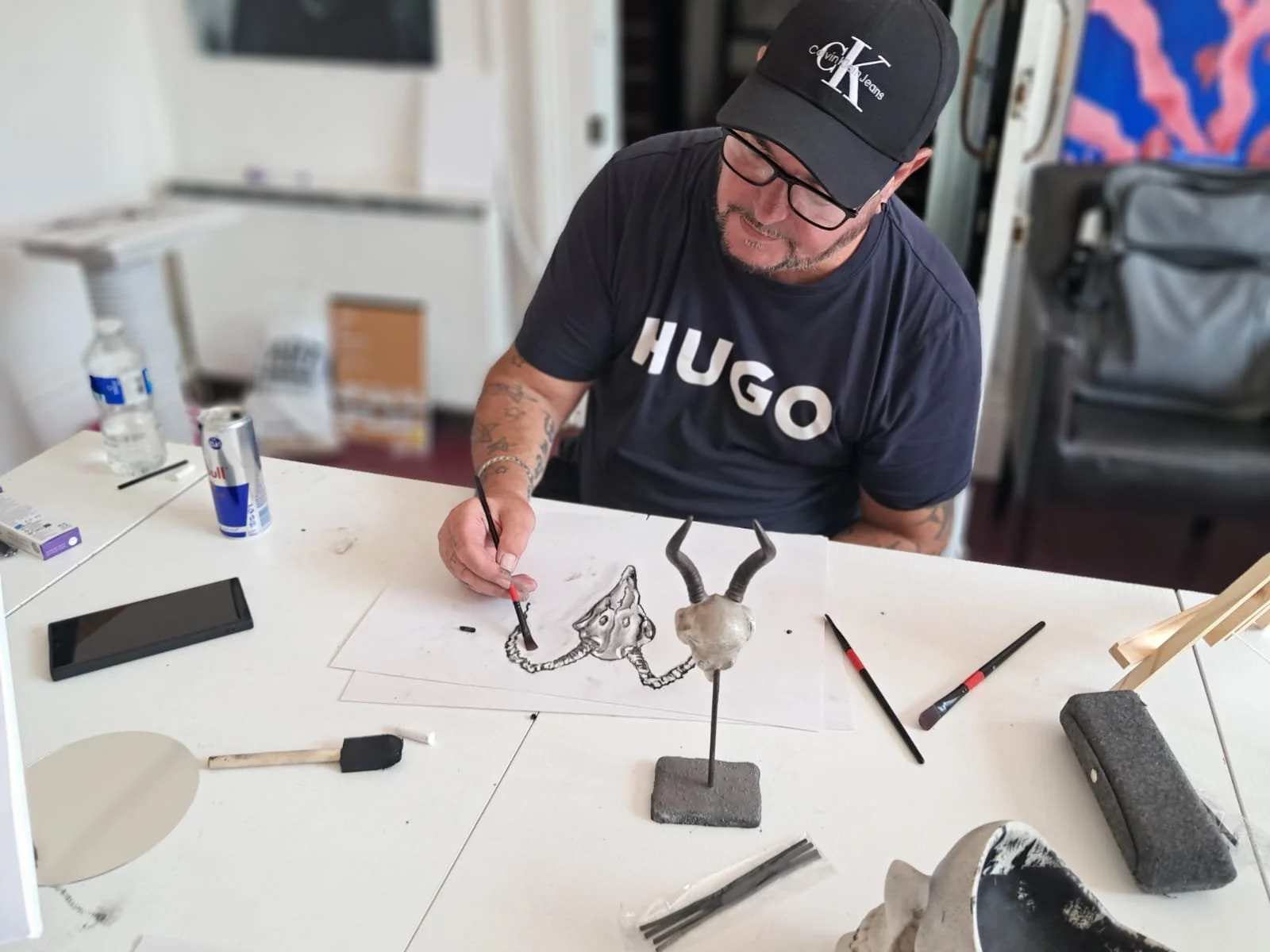
Photo by Steph Teague

Autumn LEAG 2026
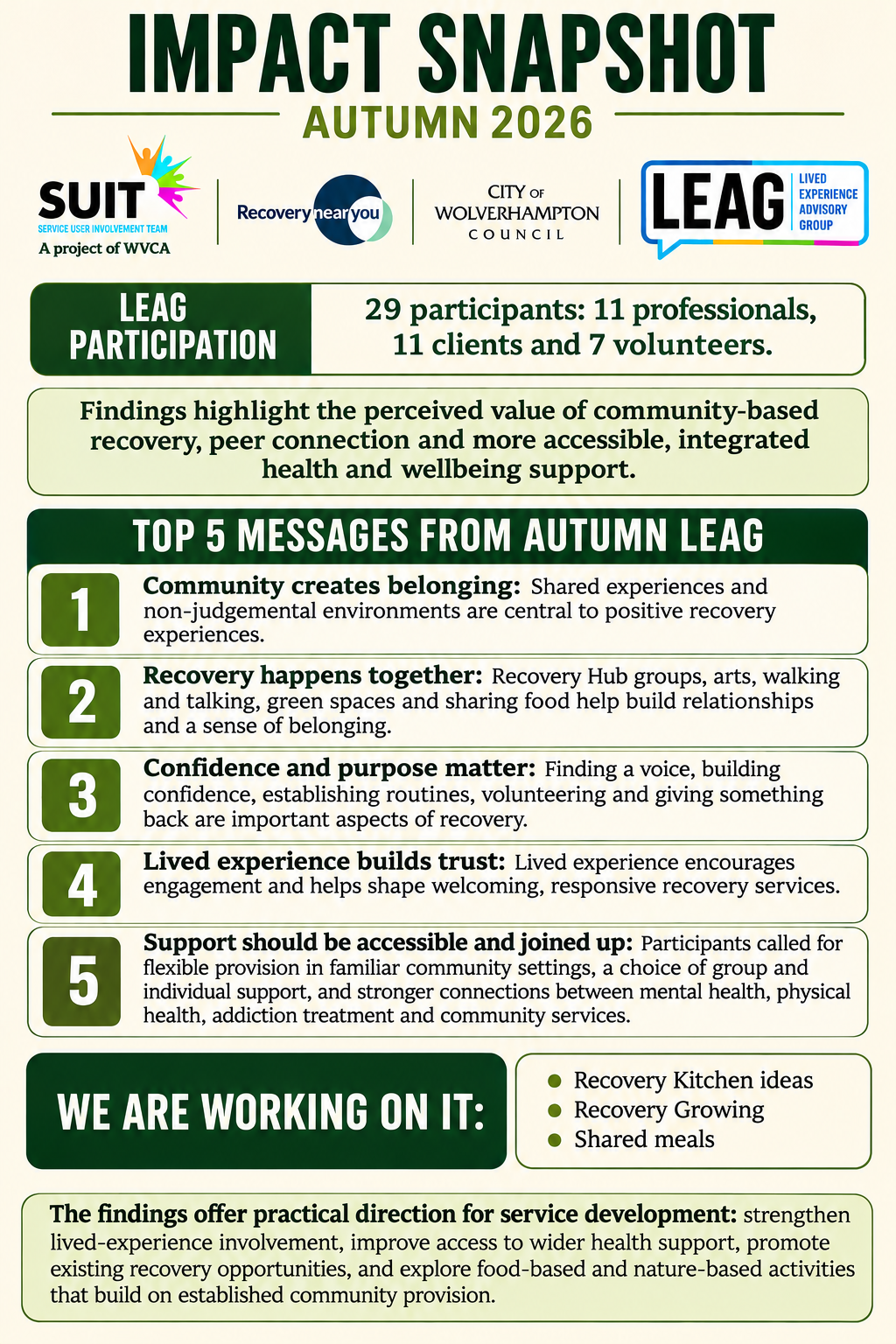
This quarter’s LEAG feedback provides valuable qualitative insight into the experiences, priorities and aspirations of people accessing recovery support. Findings highlight the perceived value of community based recovery, peer connection and more accessible, integrated health and wellbeing support.
1.Belonging, connection & reduced isolation
Community, shared experiences and non-judgemental environments emerged as central to positive recovery experiences.
Participants highlighted Recovery Hub groups, the arts, walking and talking, green spaces, and sharing food as meaningful opportunities to build relationships and a sense of belonging.
2. Confidence, identity and personal growth
Participants described the challenges of opening up, communicating emotions, navigating uncertainty and managing fears of lapse or relapse.
They also identified confidence, finding their voice, establishing routines, volunteering and giving something back as important aspects of recovery.
3. The value of peer support and lived experience
Feedback highlighted the importance of trust, understanding, encouragement and being supported by people who understand similar experiences.
4. Accessible, joined-up health and wellbeing
Participants called for flexible provision in familiar community settings, a choice of group and individual support, and stronger connections between mental health, physical health, addiction treatment and community services.
5. Food, nature, creativity and purposeful activity
Food and cooking together were associated with bonding, shared belonging and food resilience. Participants also highlighted the benefits of nature, walking, the arts and play. Ideas for a Recovery Kitchen, Recovery Growing and shared meals demonstrate opportunities to build on existing community assets and connect wellbeing with practical skills, volunteering and peer involvement.

Summer LEAG 2026
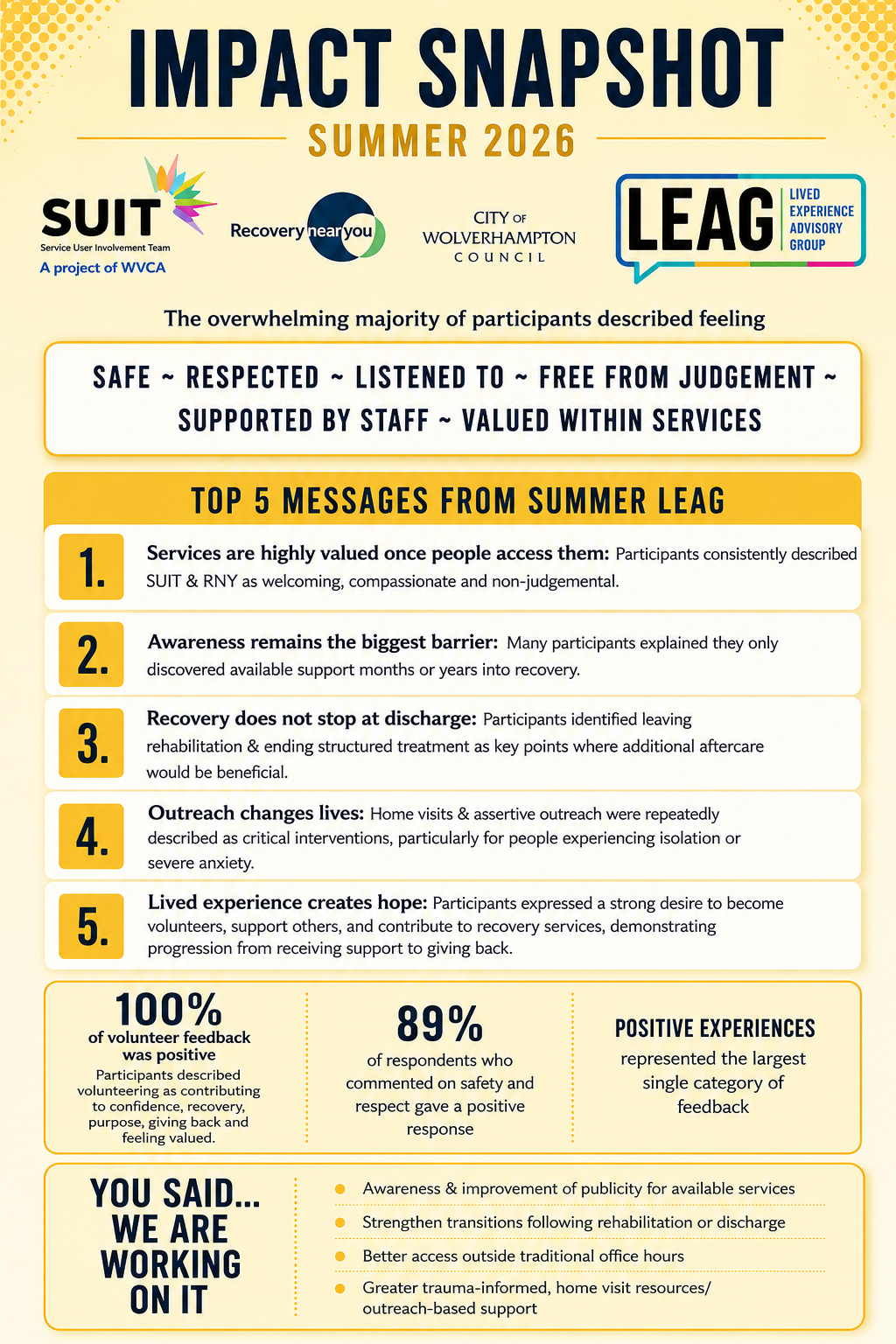
Top Five Messages from the LEAG
1. Services are highly valued once people access them.
Participants consistently described SUIT and Recovery Near You as welcoming, compassionate and non-judgemental.
2. Awareness remains the biggest barrier.
Many participants explained they only discovered available support months or even years into recovery.
3. Recovery doesn't stop at discharge.
Participants identified leaving rehabilitation and ending structured treatment as key points where additional aftercare would be beneficial.
4. Outreach changes lives.
Home visits and assertive outreach were repeatedly described as critical interventions, particularly for people experiencing isolation or severe anxiety.
5. Lived experience creates hope.
Participants expressed a strong desire to become volunteers, support others and contribute to recovery services, demonstrating progression from receiving support to giving back.
Spring LEAG 2026
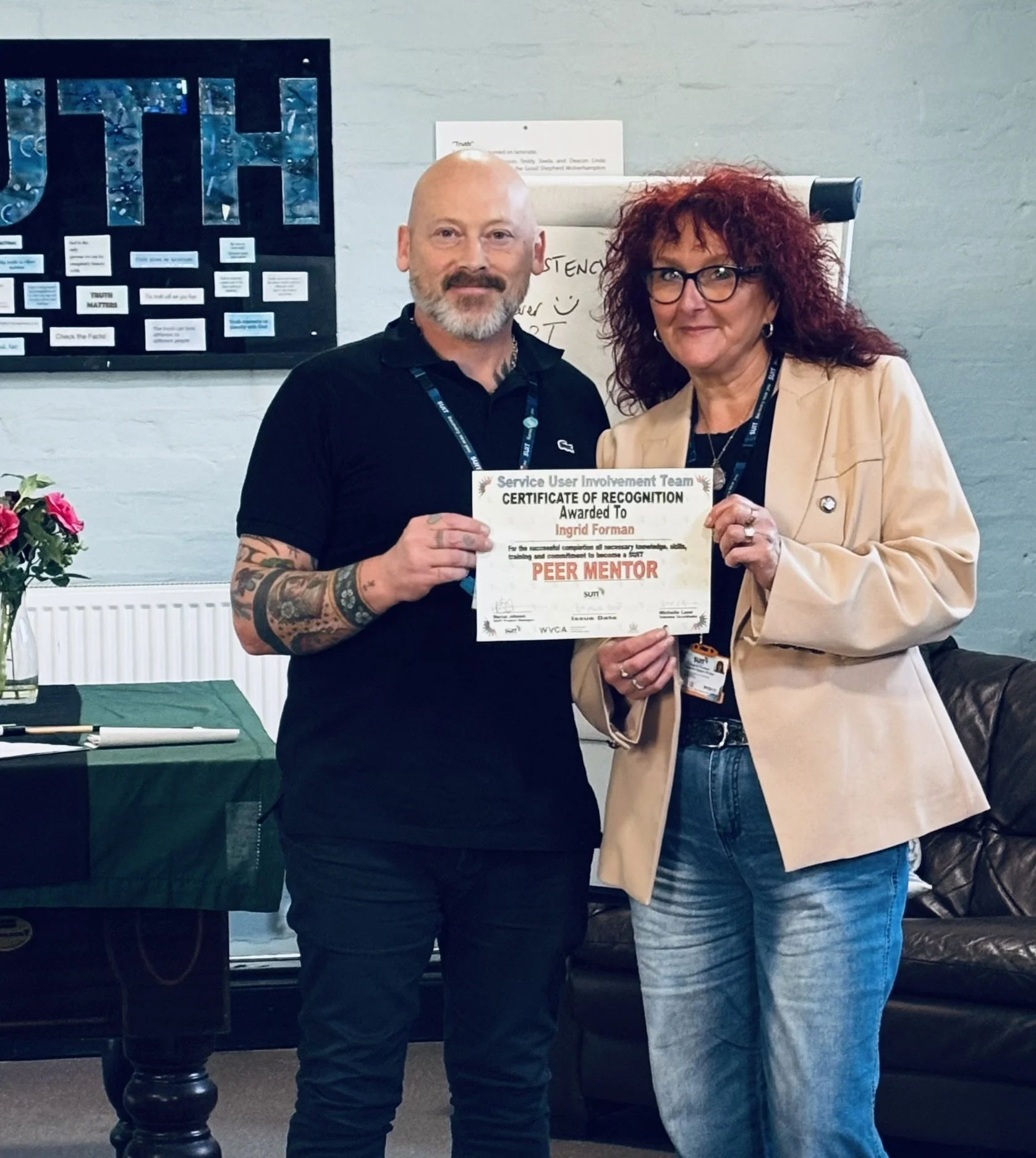
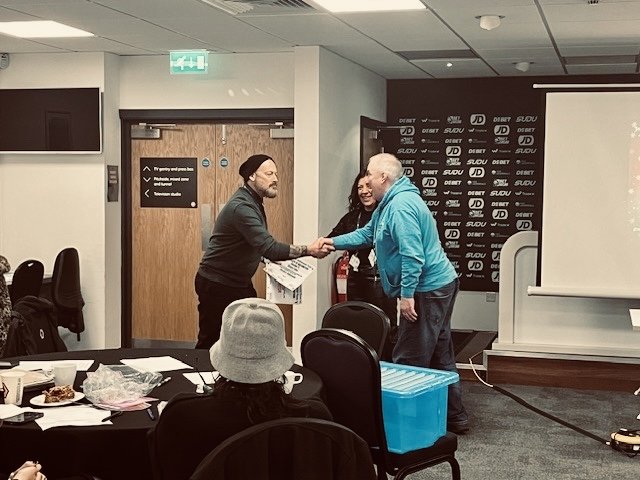
A huge thank you to everyone that attended the spring Lived Experience Advisory Group (LEAG) on Thursday 5th March, and enormous thanks to the Good Shepherd for their hospitality and involvement in the meeting.
A special big thanks to Angie & Karl from Recovery Near You, and Stuart from One Wolverhampton NHS ICB, for answering questions, offering advice and support, and strengthening our partnerships further. Their inclusion in the room was invaluable.
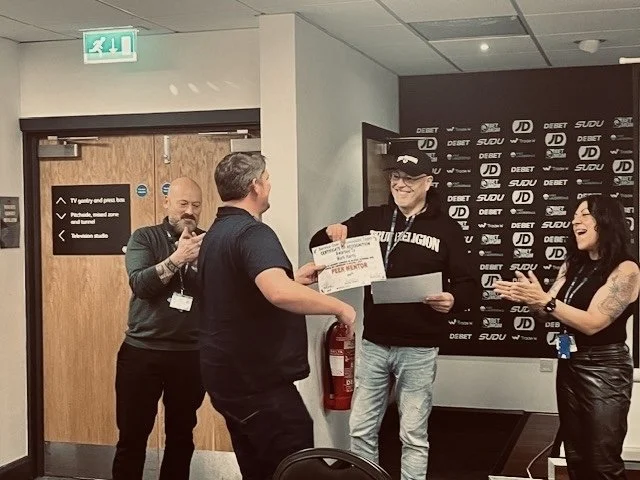
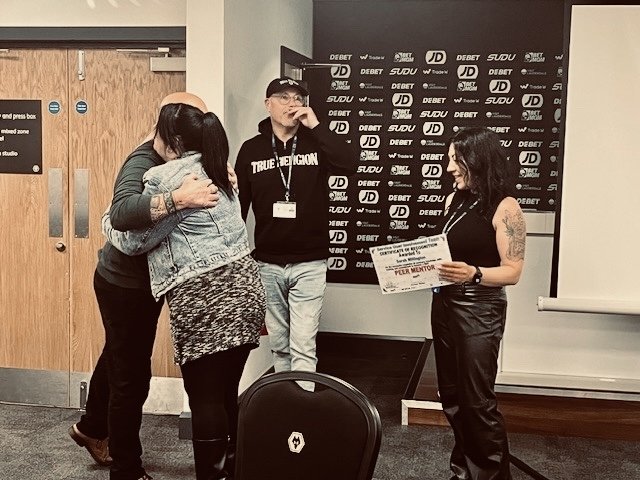
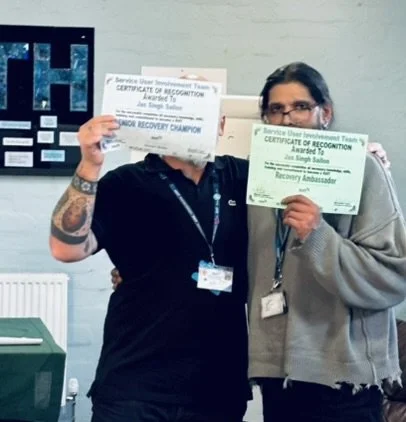
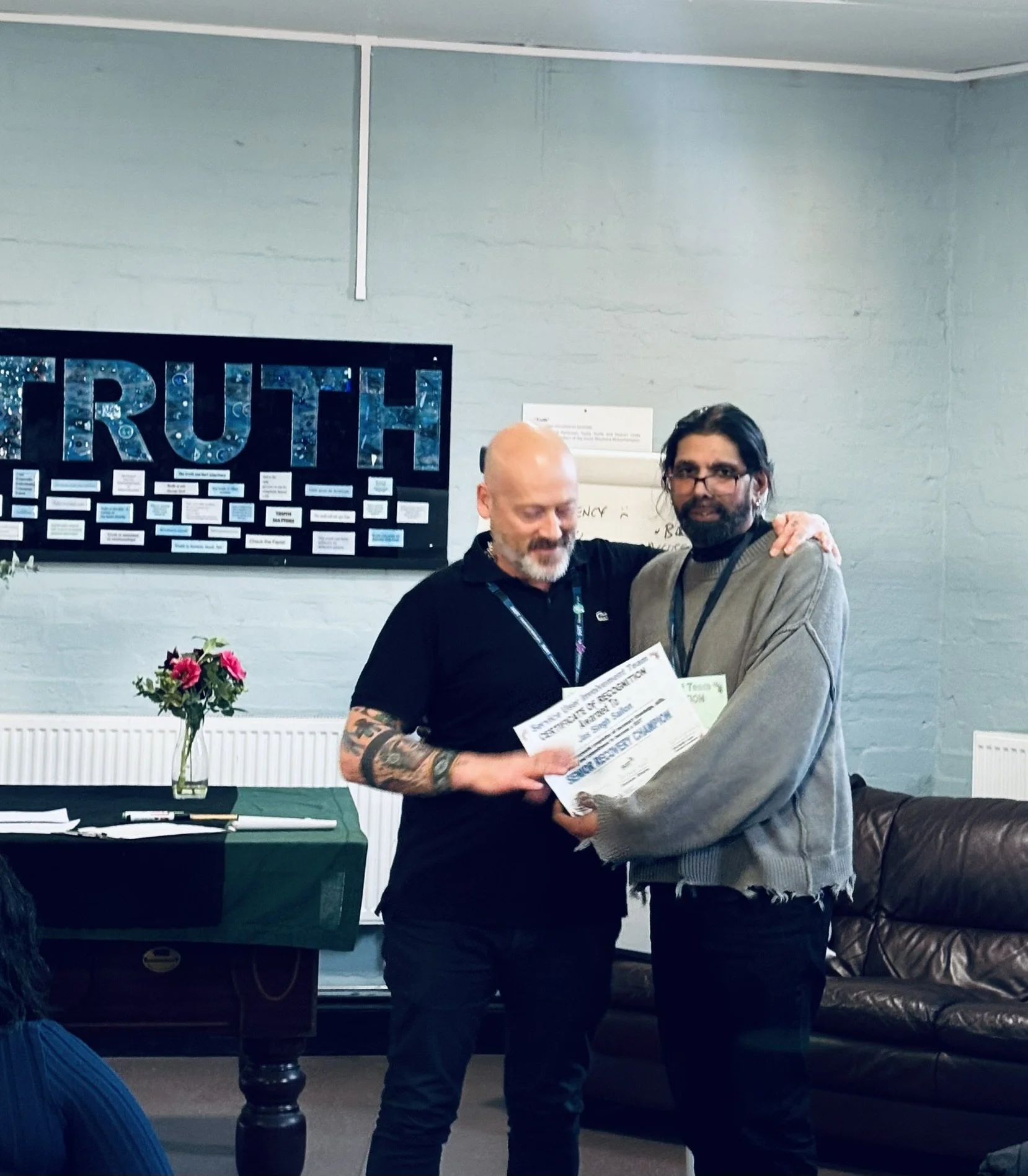
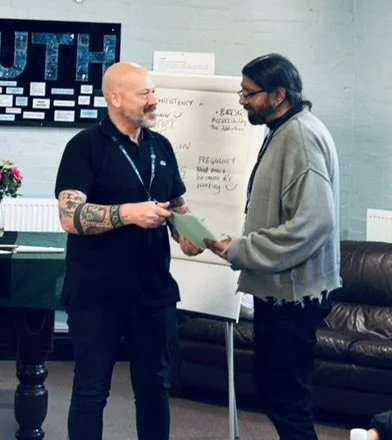
We also celebrated SUIT’s incredible volunteers moving through our Recovery Ambassador programme. Without you, our essential and life changing work isn’t possible.
Congratulations to:
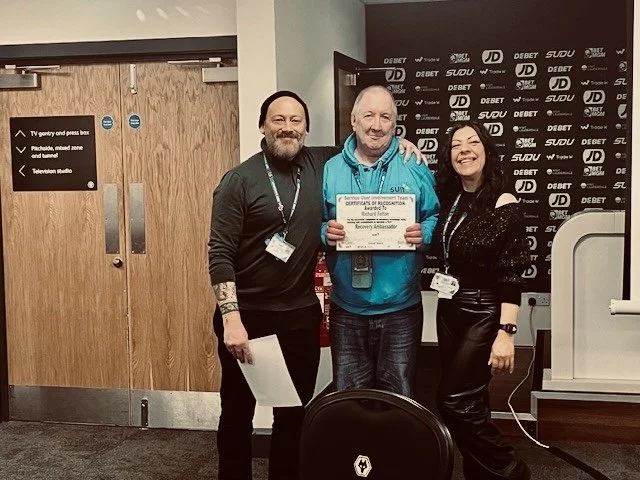
Richard Felton, awarded Senior Recovery Champion
Sarah Millington, awarded Recovery Ambassador
Jaspaul Sallon Singh, awarded Recovery Ambassador & Senior Recovery Champion
Lynette John, awarded Peer Mentor
Ingrid Forman, awarded Peer Mentor
Howie Atkin, awarded Peer Mentor
You are all role models and show recovery is possible and worth it!
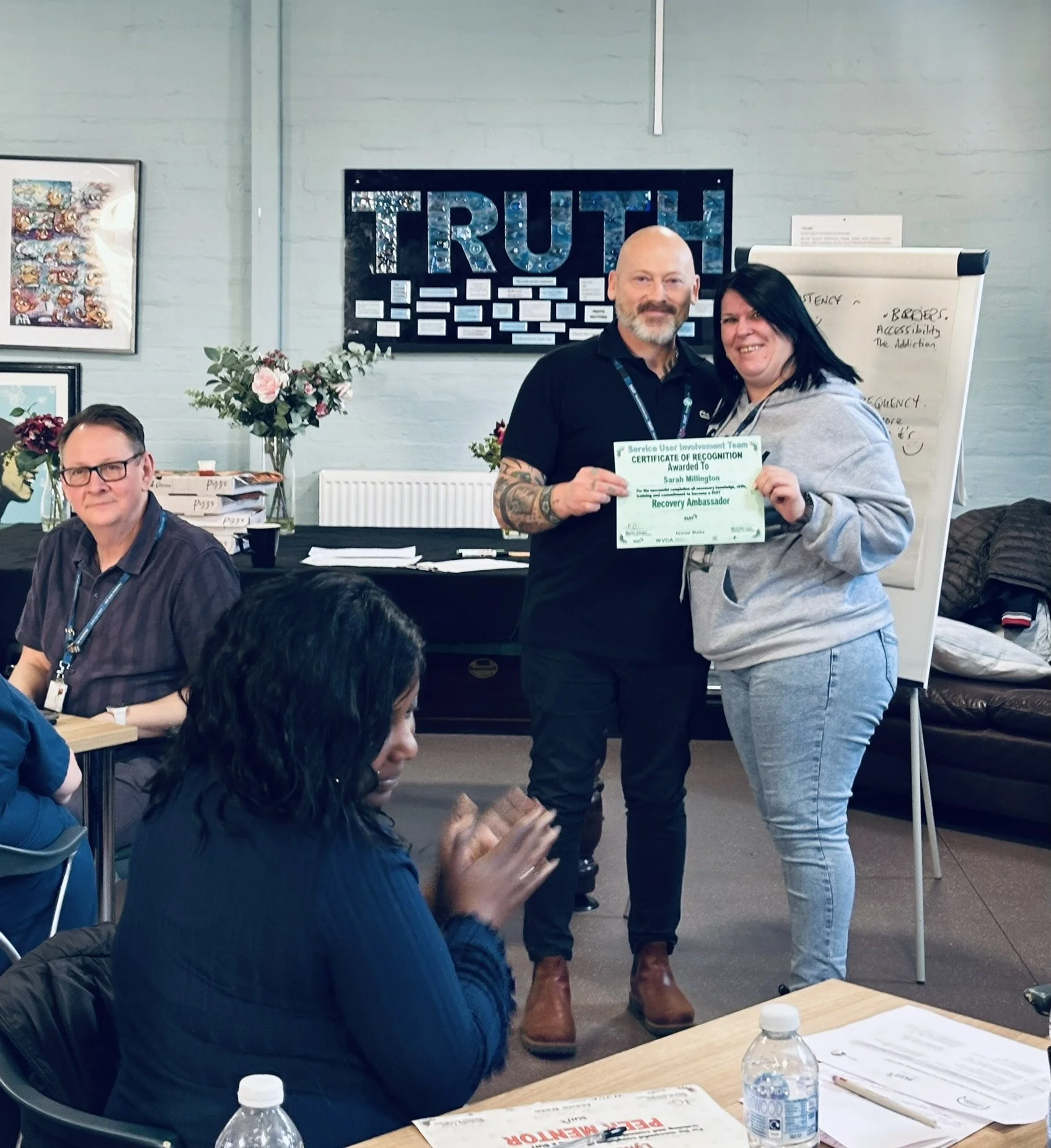
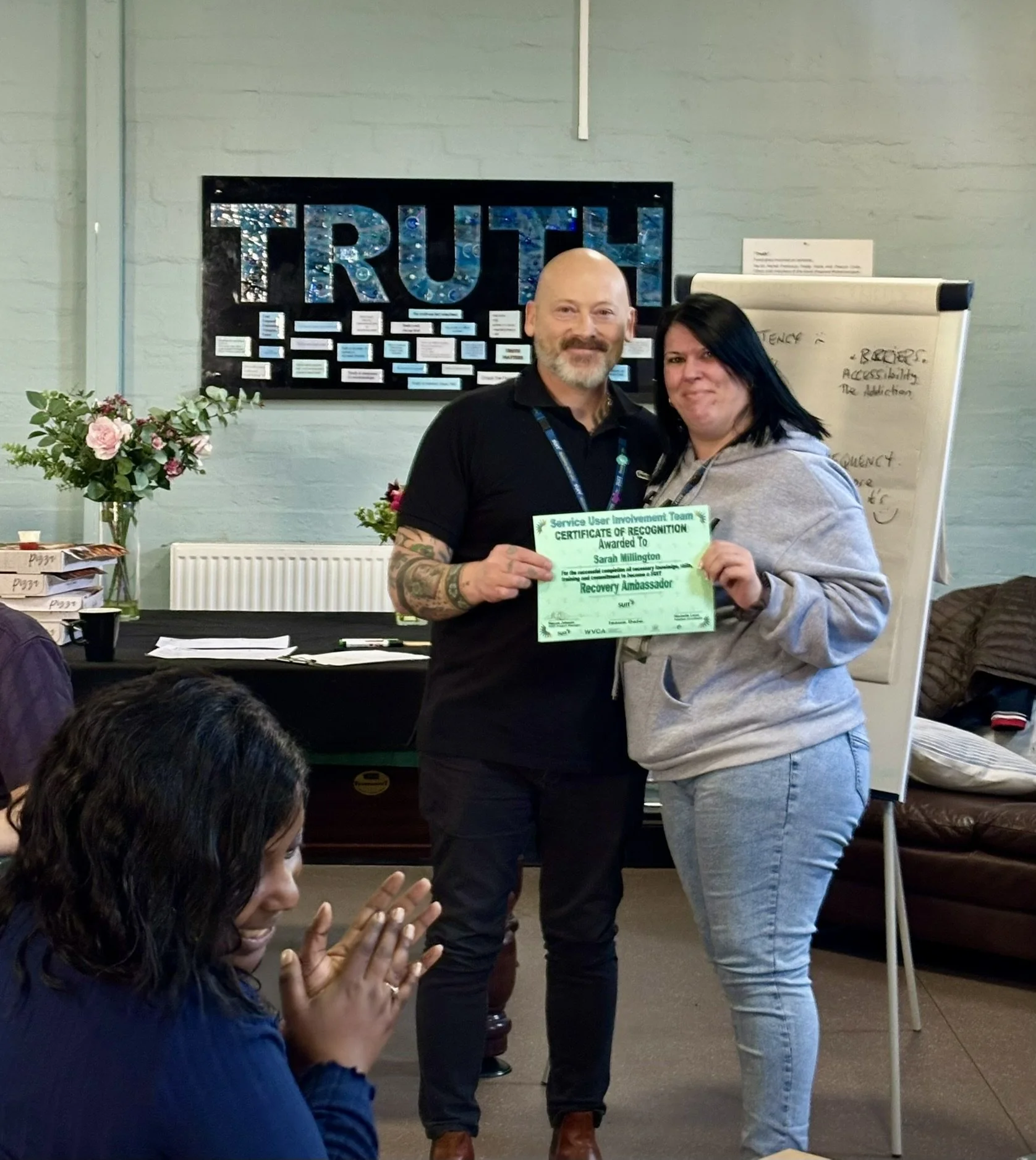
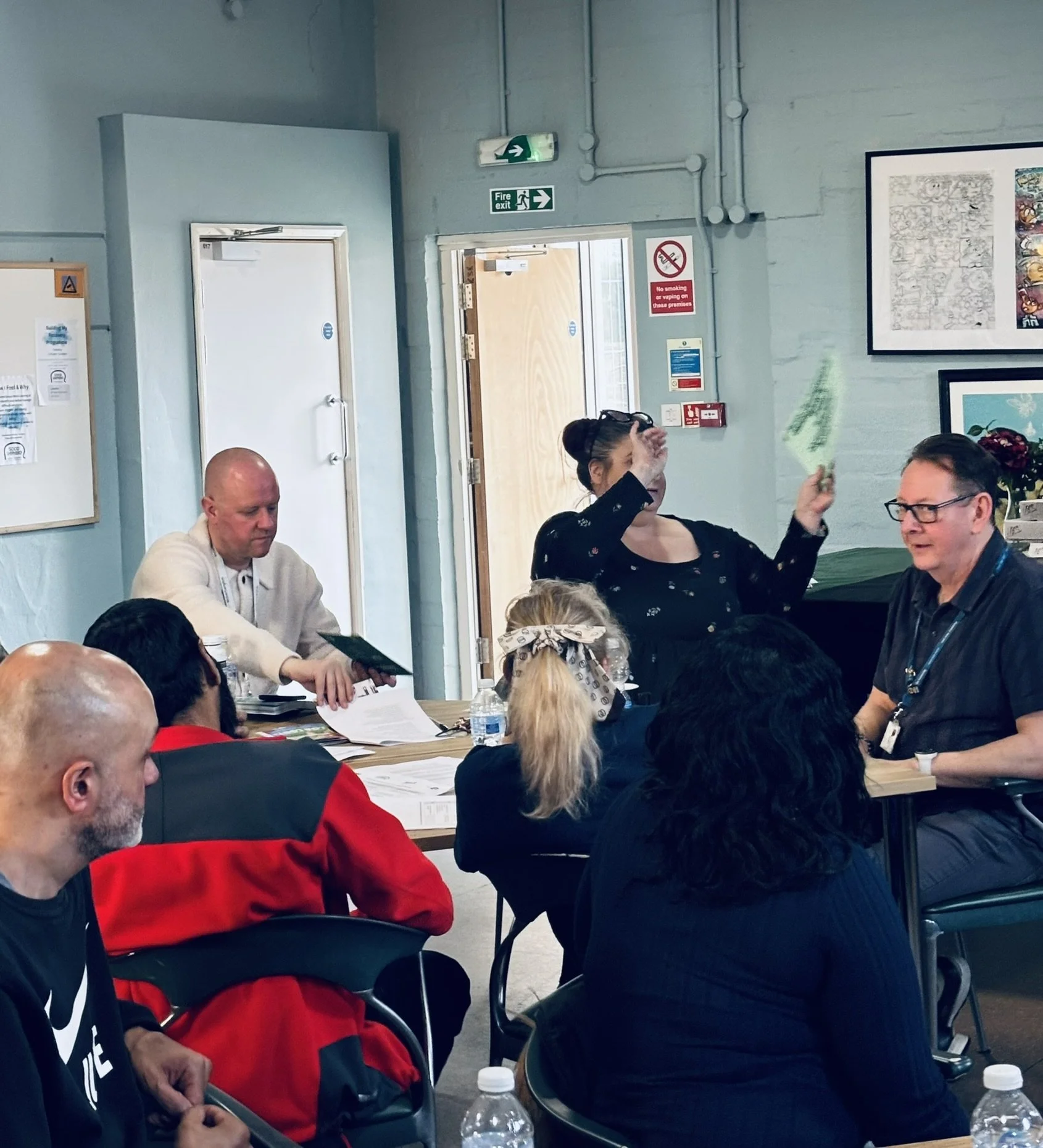
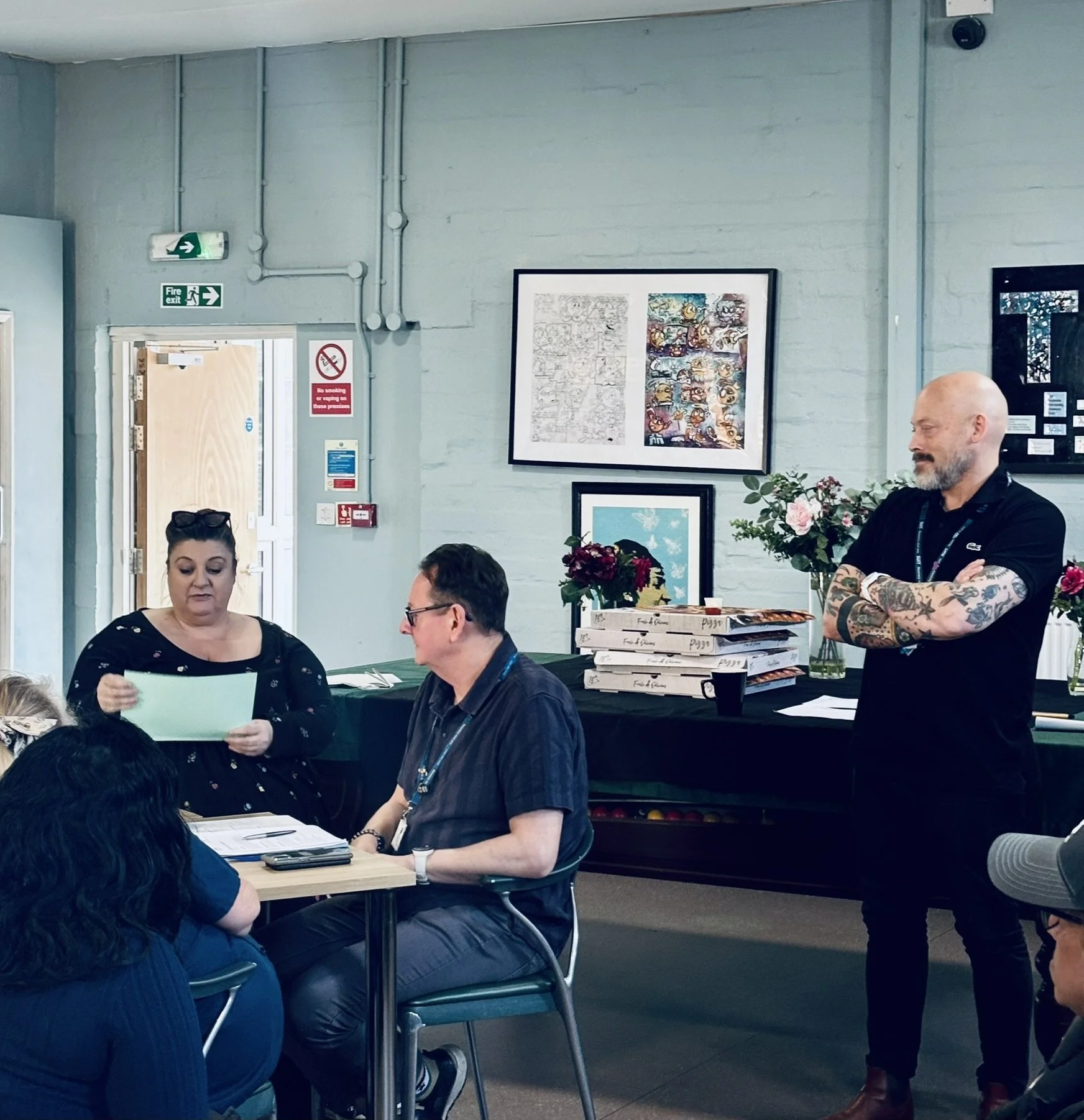
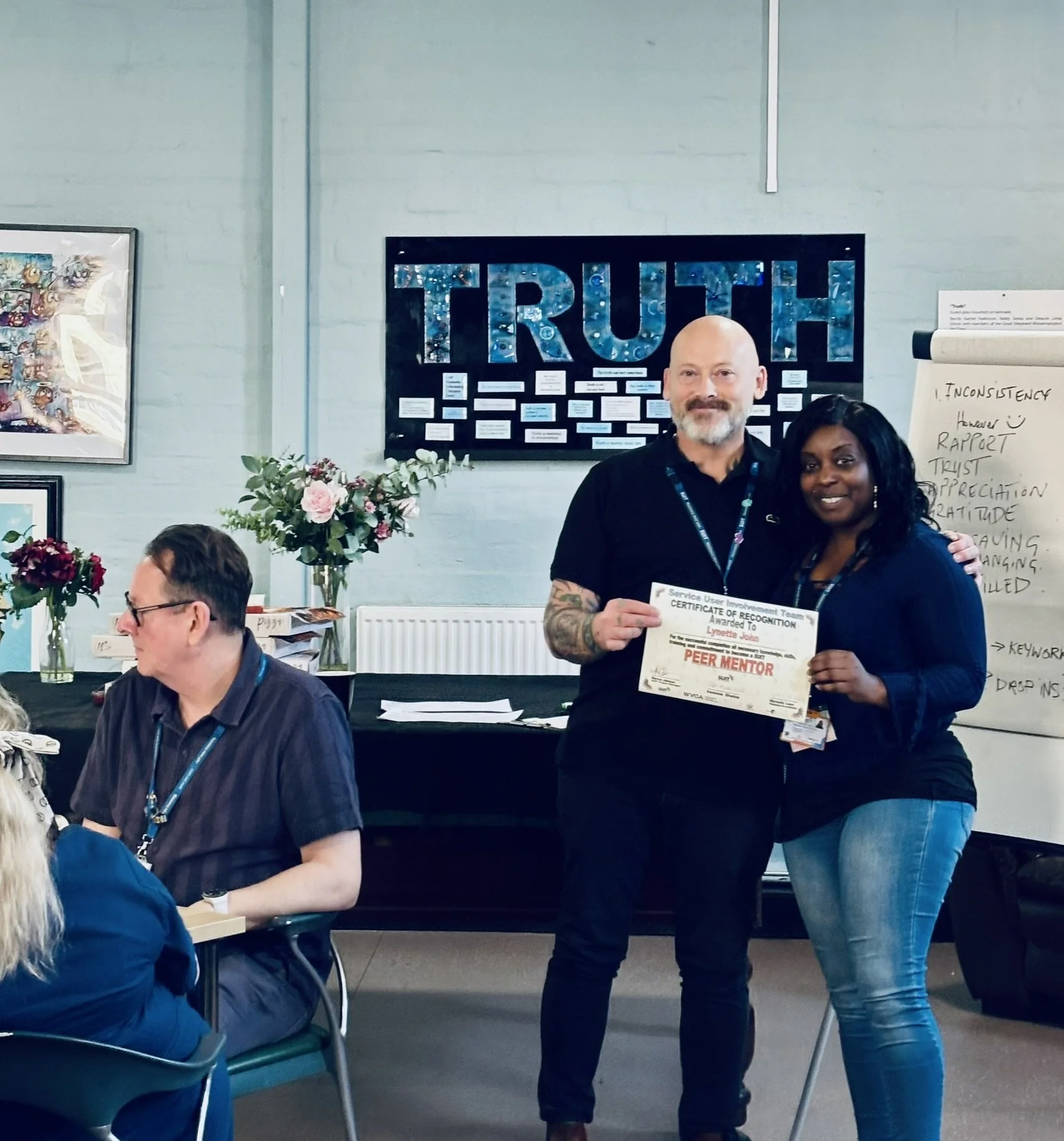
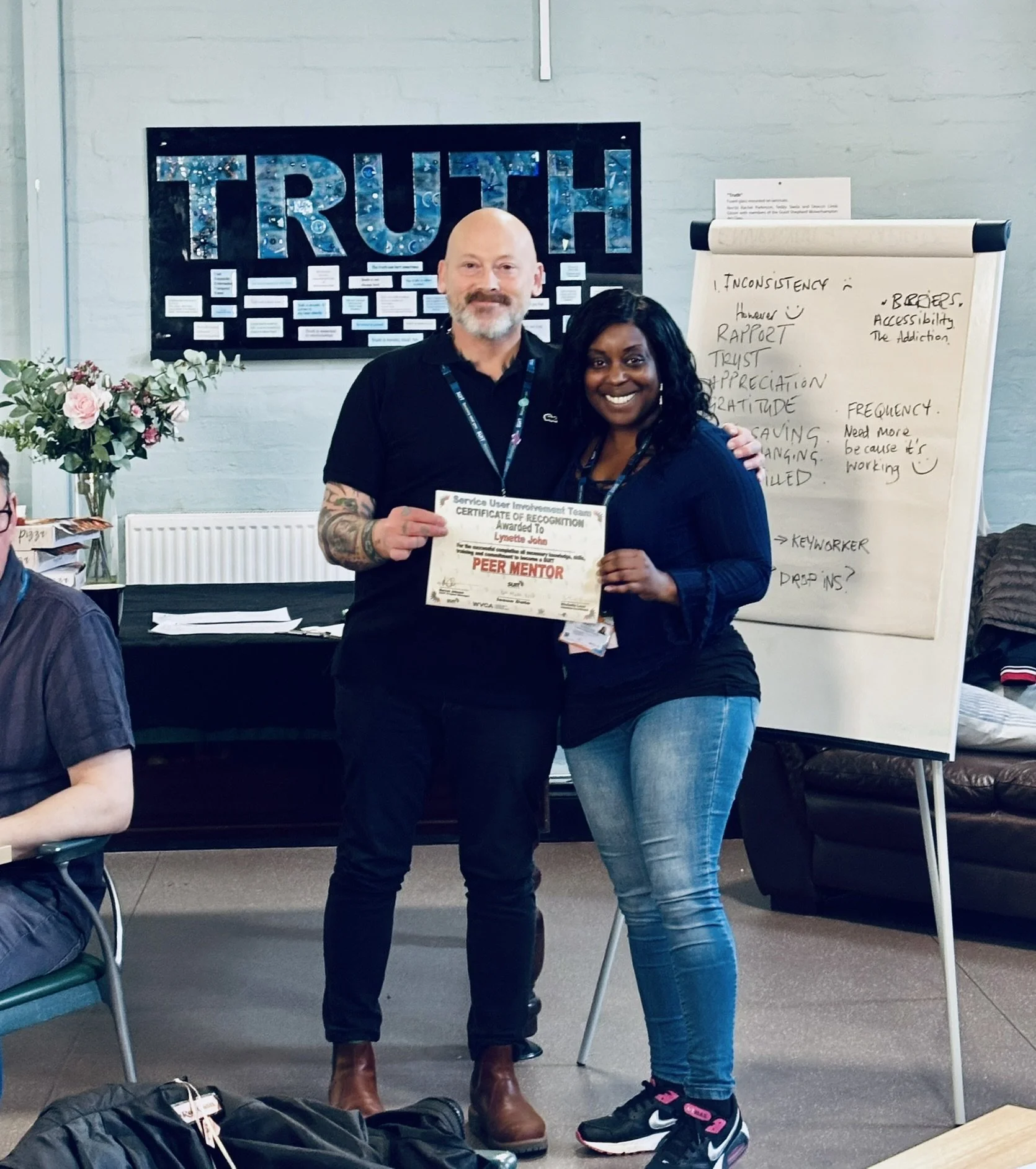
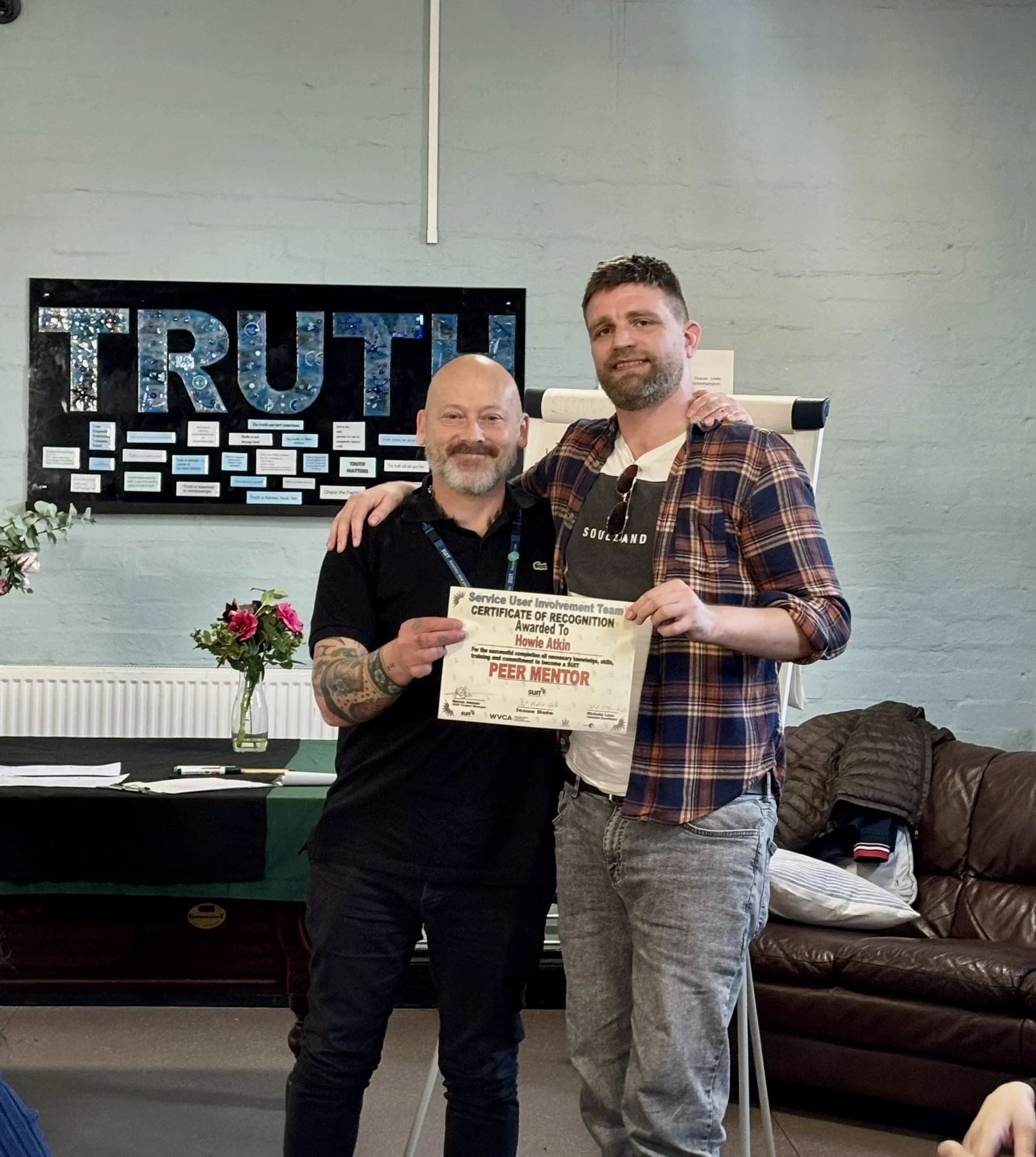
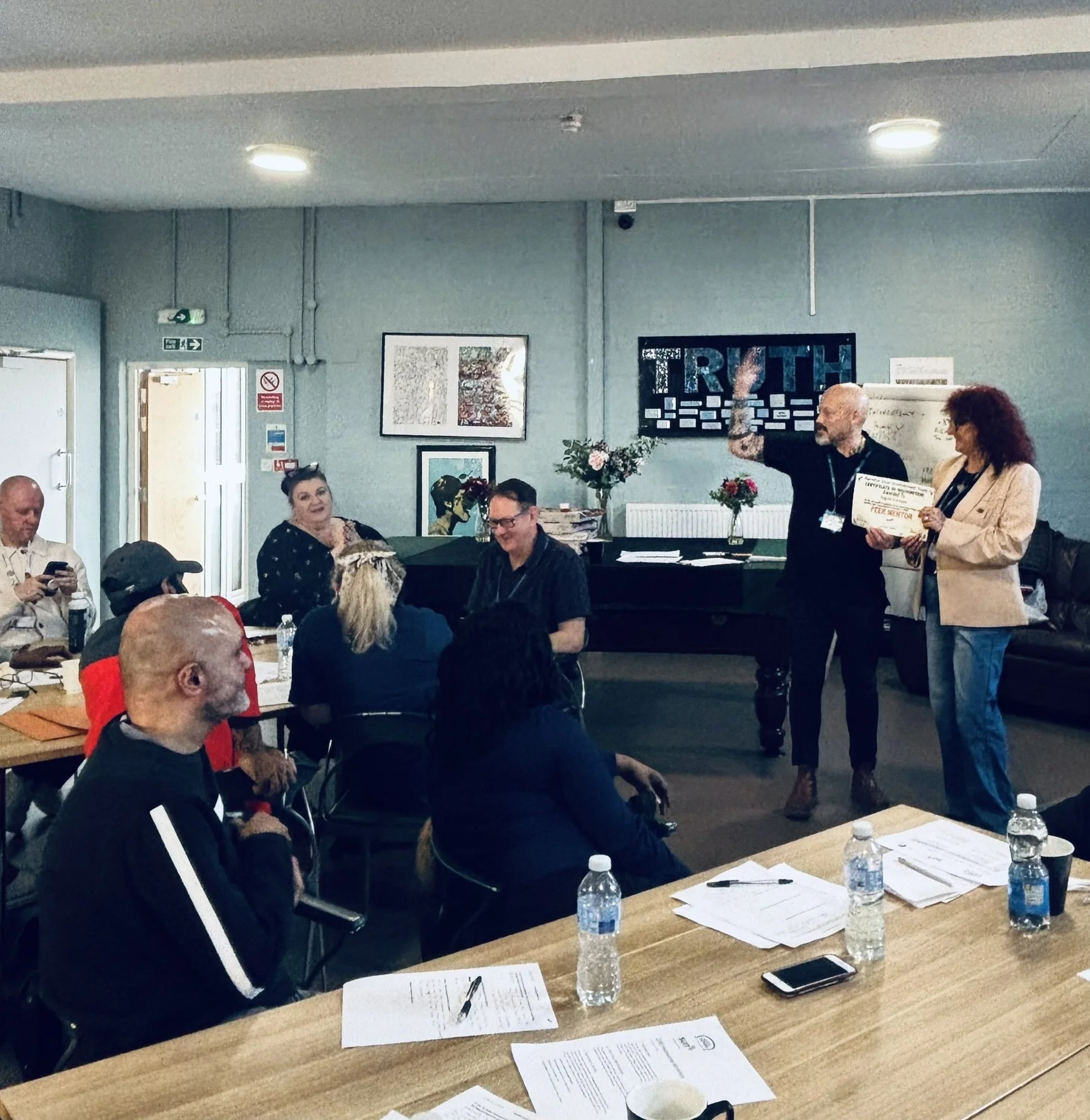
December’s LEAG meeting was one of celebration, and
fantastic new ideas!
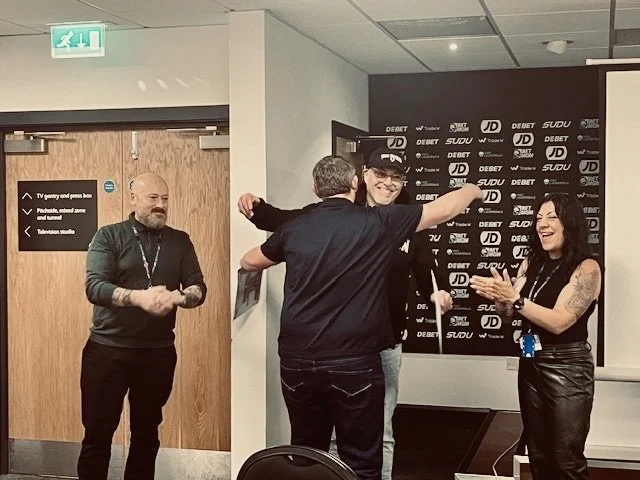
Thank you to Michelle-Marie Smith & Ellina Bawa from Wolverhampton City Council’s Department of Public Health for generously supporting the event, held at Molineux Stadium’s Media Suite. The forum discussed new models of service design, with an incredible and insightful presentation from SUIT volunteer, Howie, who gave the room some fresh ideas surrounding his experiences of leaving residential rehab and the struggles he had towards adjusting. His insights, and the LEAG’s feedback are currently being looked at to structure a new Aftercare service. We enjoyed a delicious lunch, and also celebrated our brilliant SUIT volunteers who have passed and are moving on to the next level in their Recovery Ambassador programme for peer-led volunteering!
LEAG December 2025
at Molineux Stadium

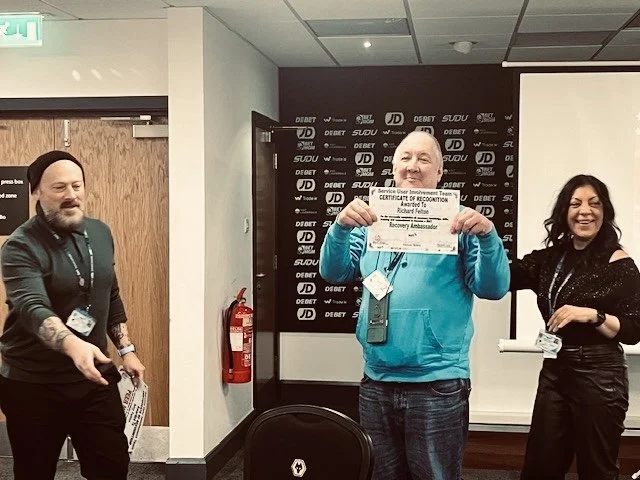
Congratulations to:
Richard Felton, awarded Recovery Ambassador
Amy Felton, awarded Peer Mentor
Sarah Millington, awarded Peer Mentor
Leanne Jasmine, awarded Peer Mentor
Mark Harris, awarded Peer Mentor
Jaspaul Sallon Singh, awarded Peer Mentor
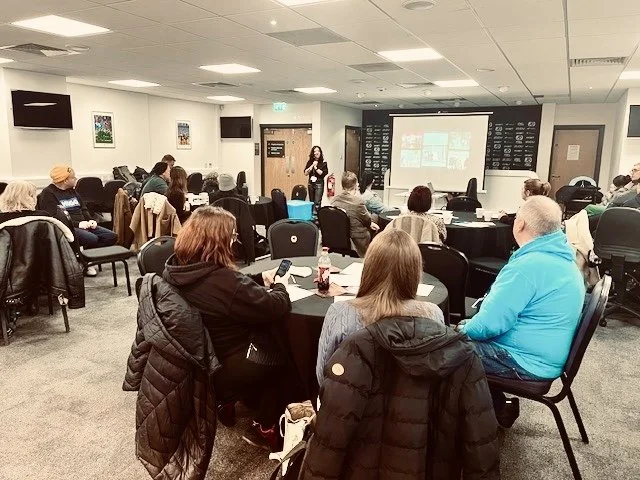
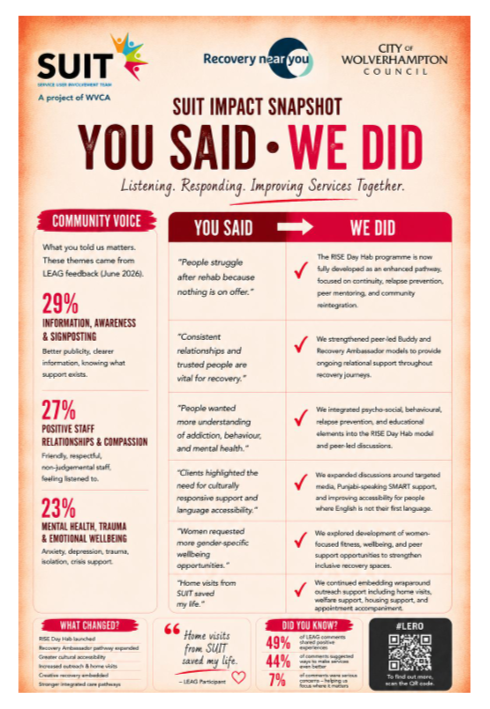
“You said, we did”
Buddy Support
Men’s Group has responded to needs; activities including gym & sports, health & wellbeing.
SUIT visible through Relapse Prevention Group, BEI, Pre Hab Group.
Website as a core information base.
New leaflets, brochures, and booklets in progress.
New, structured volunteer programme.
Dual Diagnosis Enhanced Model.
Aftercare; new vision and model planned…
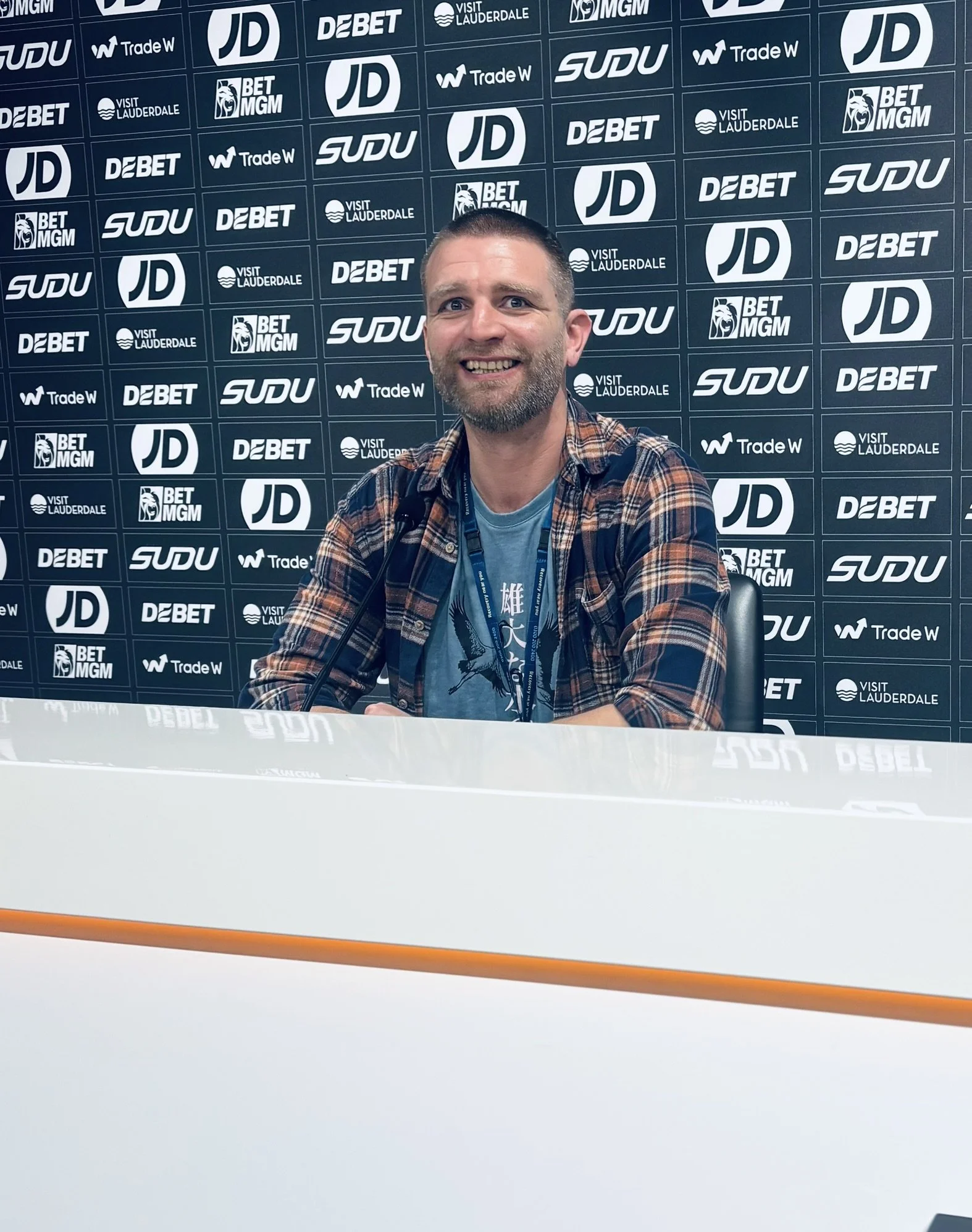
Aftercare: Presentation from Howie
“After completing residential rehabilitation, I faced a harsh reality: the structured support that helped me recover simply vanished. I was thrust back into the same environment that had contributed to my addiction, with no clear path forward and no coordinated help. This personal experience revealed a critical gap in our system—a gap that's costing lives and perpetuating cycles of relapse across our communities".

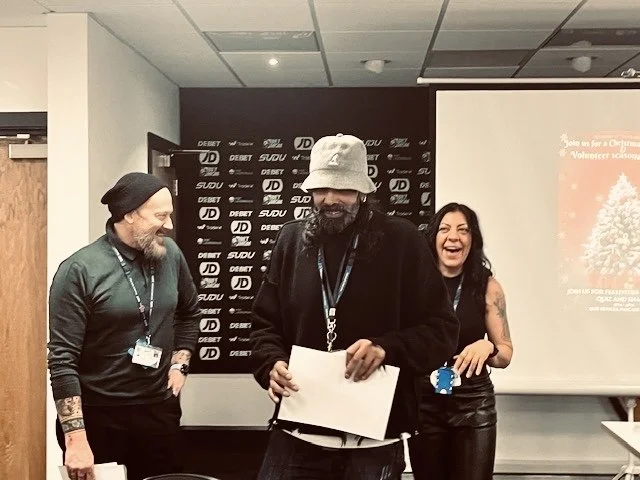
Howie explained the ideal: 5 phases towards a new vision of Aftercare
Phase 1: Planning (4 weeks)
Assessment, needs identification, relapse prevention planning, building comfort and knowledge
Phase 2: Building a Toolkit (4-16 weeks)
CBT/DBT with buddy support, coping skills, urge surfing, mindfulness, Wise Mind development
Phase 3: Engagement & Tracking (8-52 weeks)
Personal development tracking, meeting attendance, external agency coordination, medication compliance
Phase 4: Resilience Building (16 -52 weeks)
Deep personal growth work, advanced CBT/DBT techniques, self-esteem cultivation, confidence building
Phase 5: Self-Actualisation (42-104 weeks)
Values clarification, purpose discovery, career development, volunteering, full reintegration into society.