

Volunteering with SUIT
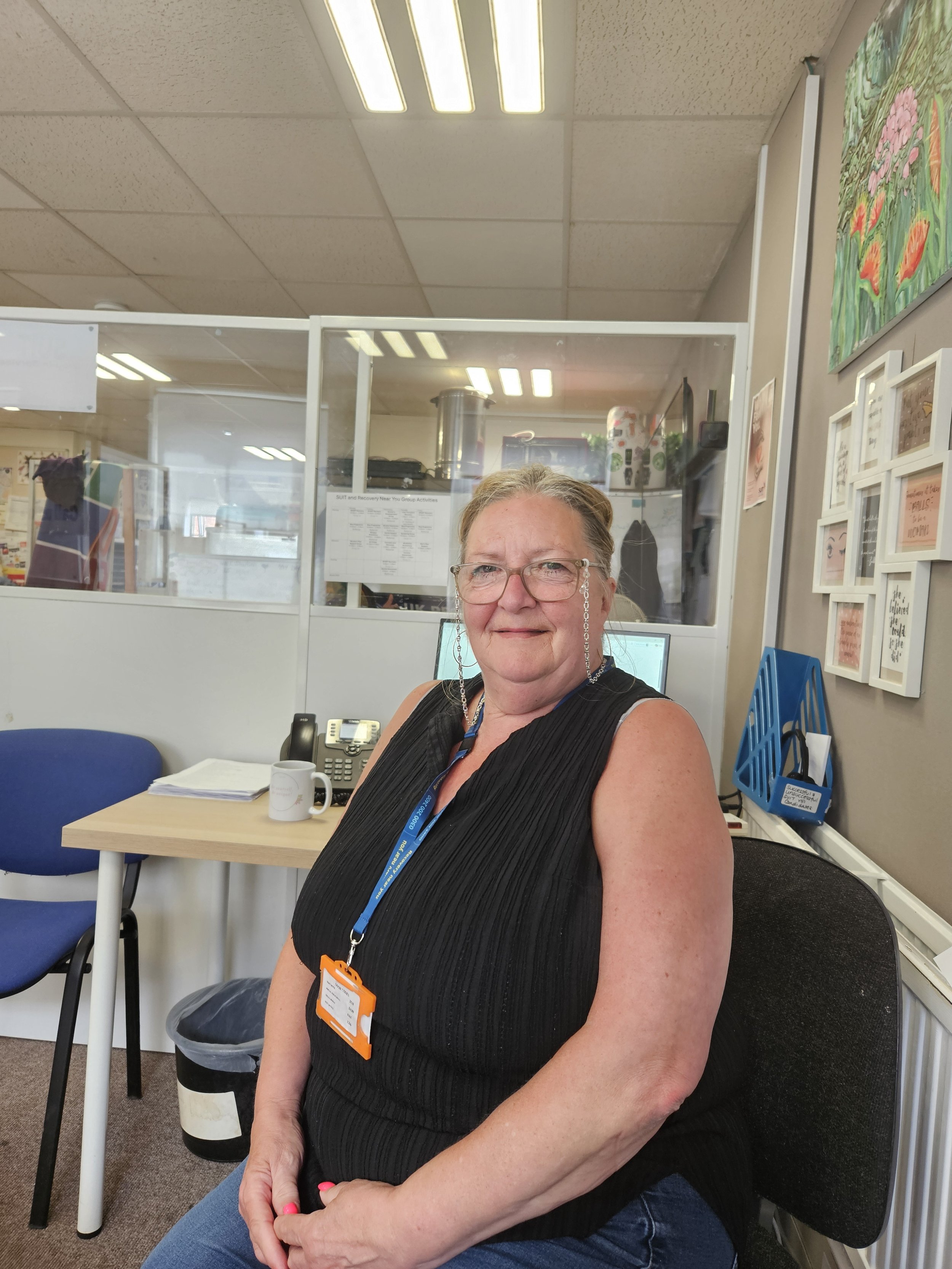
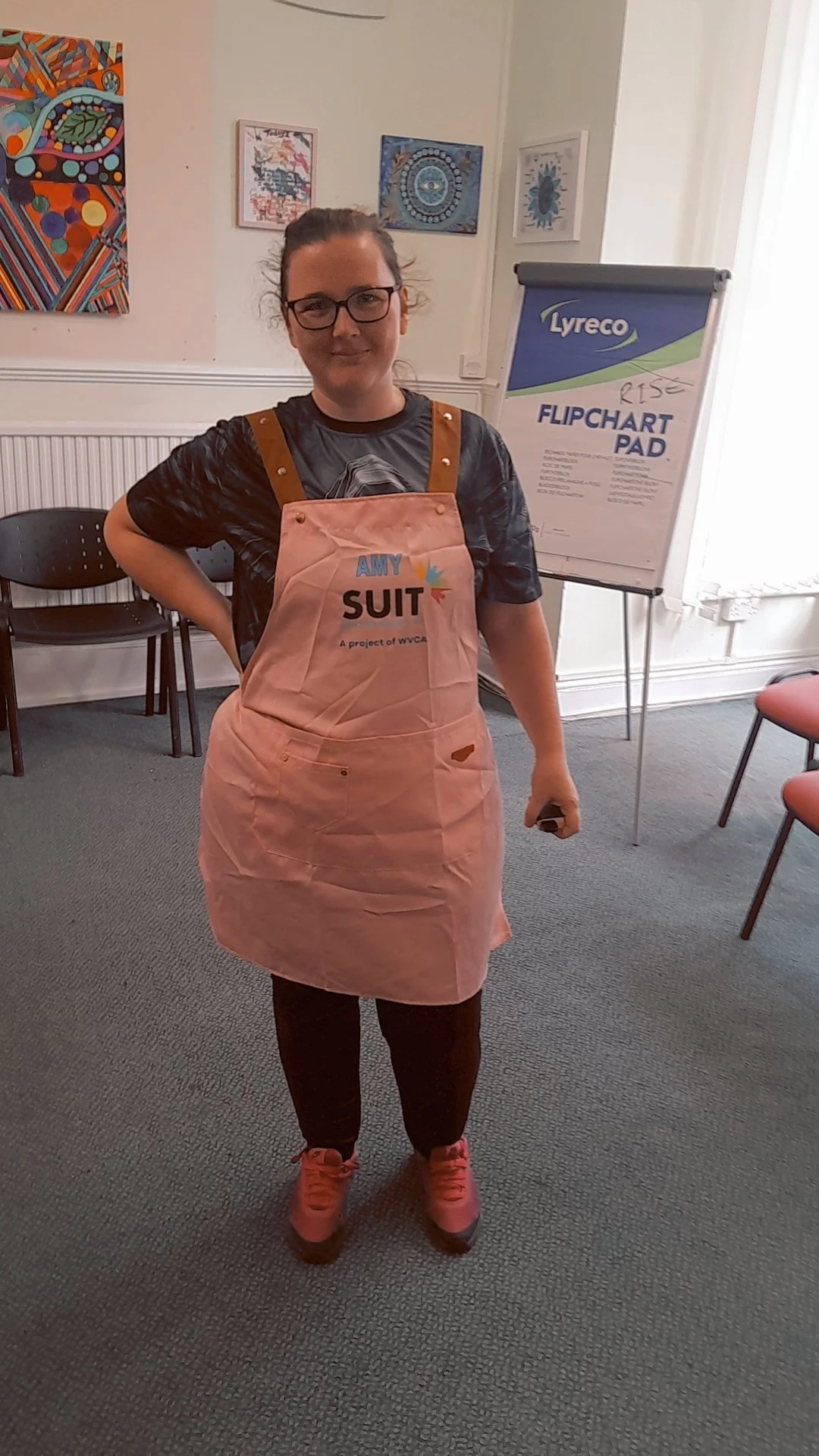
Our volunteers make what we do possible, with dedication to help others and advice using their knowledge & lived experience.
Here’s what our amazing SUIT volunteers say…
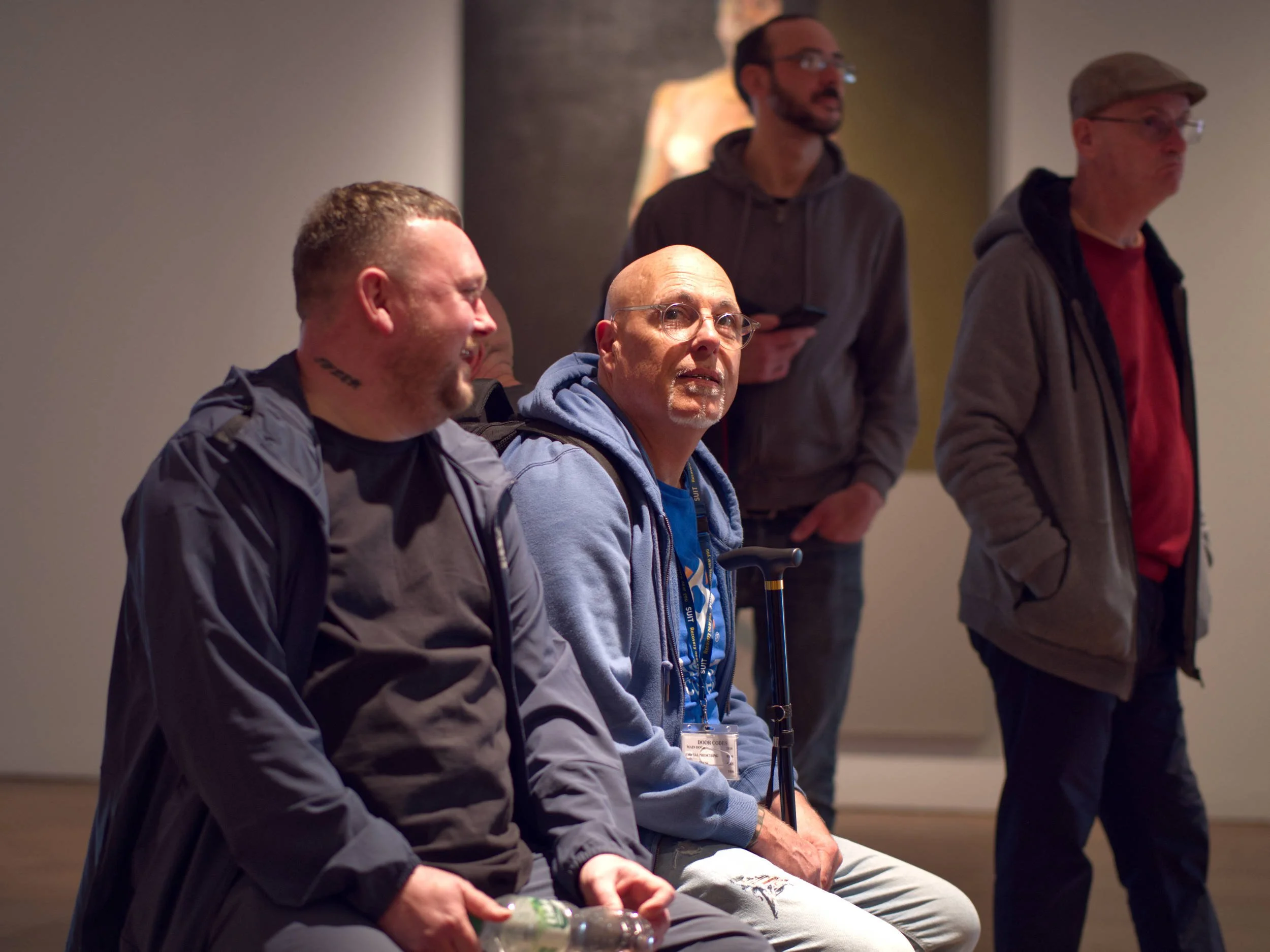
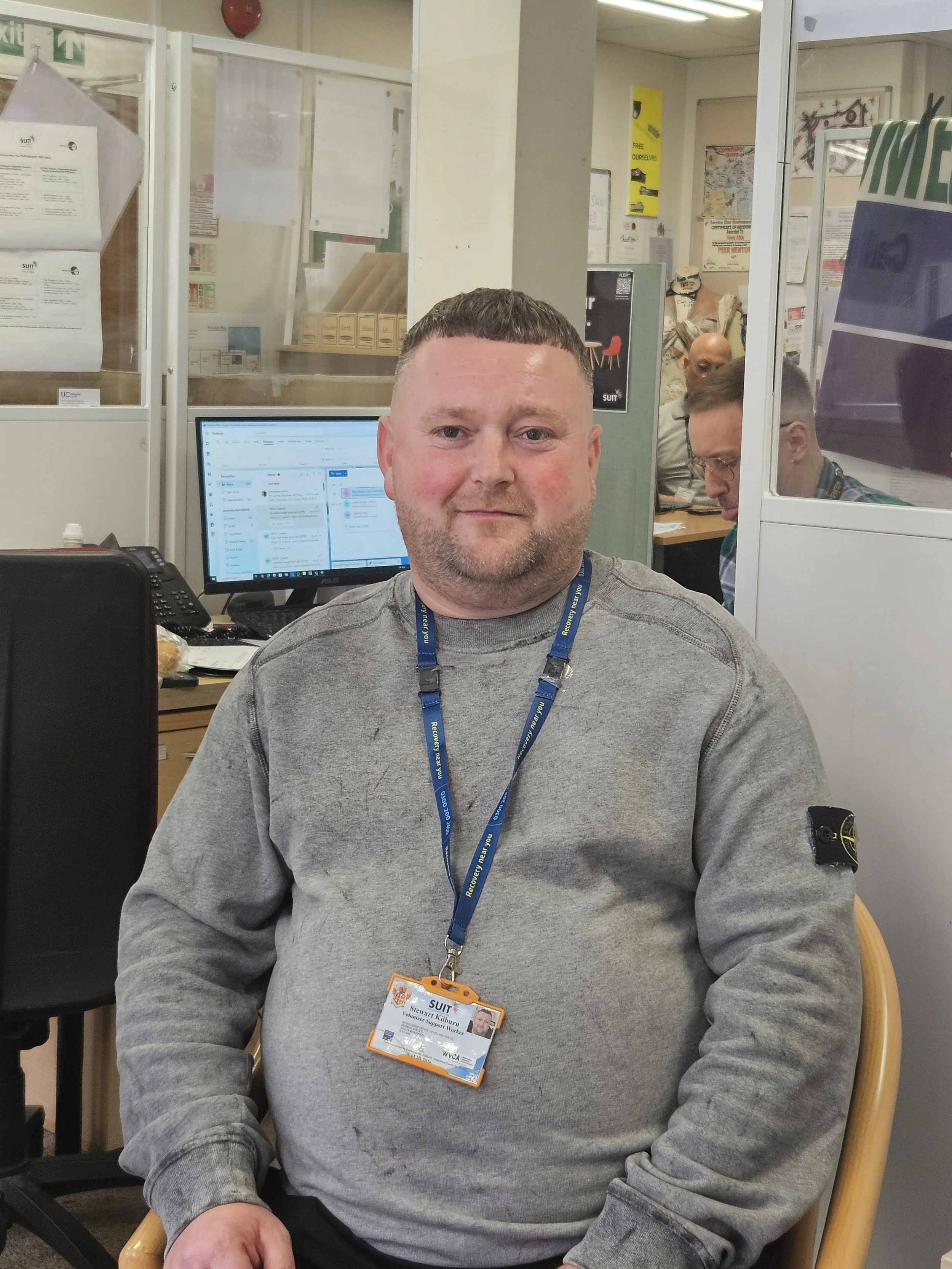
“My Name is Stewart and I have been volunteering at SUIT for almost three months.
I wanted to be a SUIT volunteer because they had helped me so much through my own recovery.
I am based at The Recovery Hub on Connaught Road and currently support in the RISE Day-Hab Programme, which is something very close to my heart as I completed the programme myself as part of my own recovery journey.
I feel passionate about using my own experiences as something that can help other people to find their own recovery”.
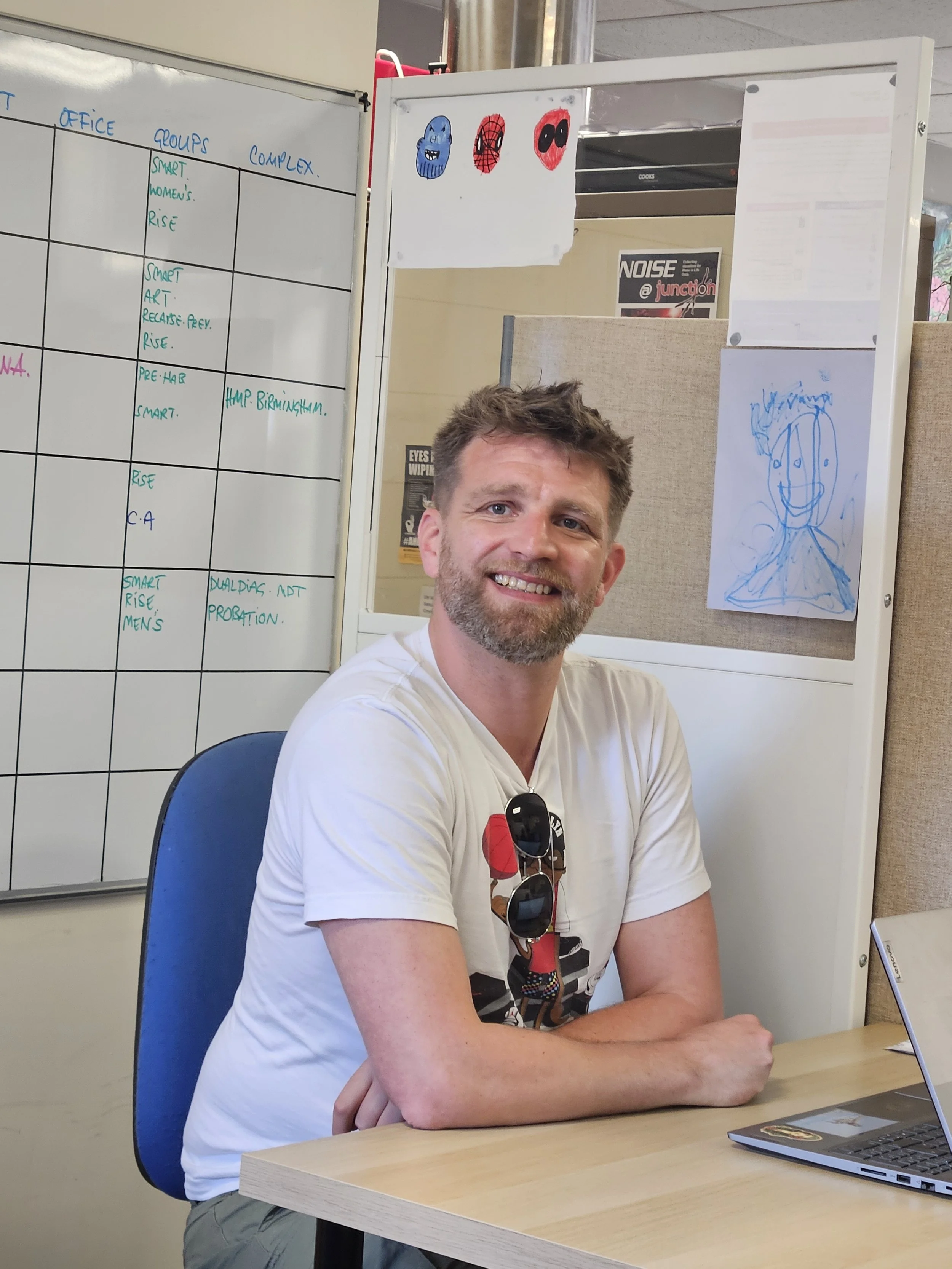
Andrew: “Volunteering at SUIT was the best choice I made with my journey, helping me a lot with confidence and anxiety issues.
It was something that I did know how much I needed for the next stage in my recovery.
If somebody had said to me back then, that in eight months I would be doing 4 recovery groups and working at the suit office helping a lot of people in my situation, I wouldn’t have believed them.
Also having feedback, telling me that I have helped people a lot has made it all worthwhile volunteering. The team and support from SUIT have been outstanding right from the beginning”
Howie: “I started my recovery journey with SUIT and was so keen to volunteer that I actually called from my rehab, I knew I would need to keep active and give back to the organisations and people that made my recovery possible. I can't express my gratitude enough for the last 8 months from something to keep me active to a full passion and way of life it's hard for me to stay away. Volunteering at SUIT has given me purpose, confidence and opportunities to develop into the best version of myself. I now embark on the next phase of my development having created my own non-for-profit providing tech solutions for communities and recovery organisations nationally. My heart and feet are still firmly in the SUIT doors, and I hope to continue volunteering for the foreseeable future”.
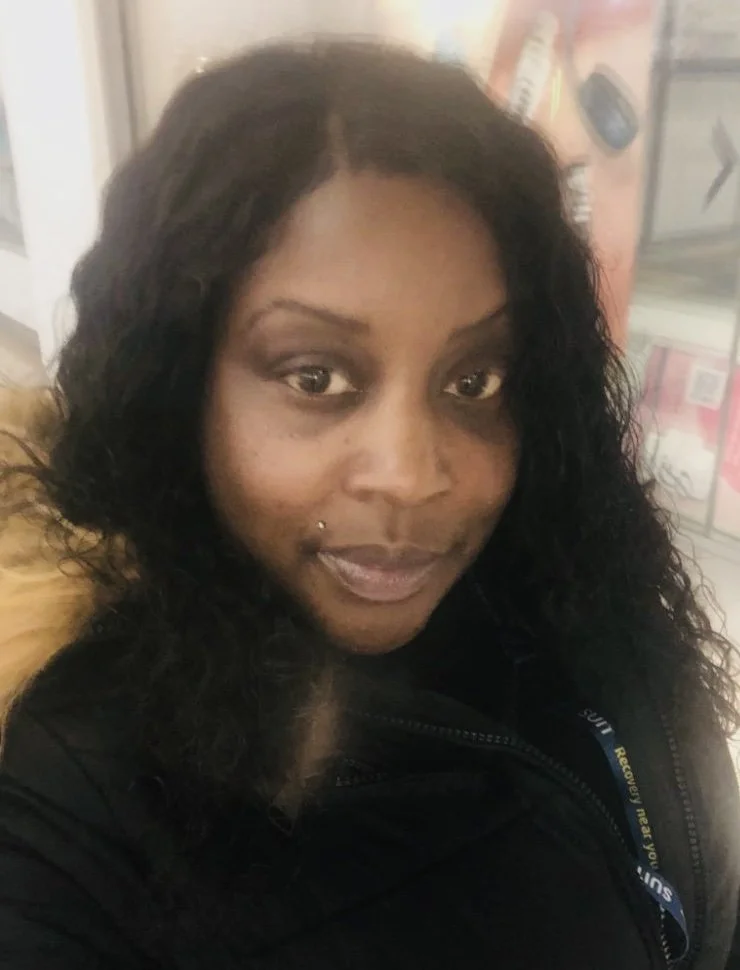
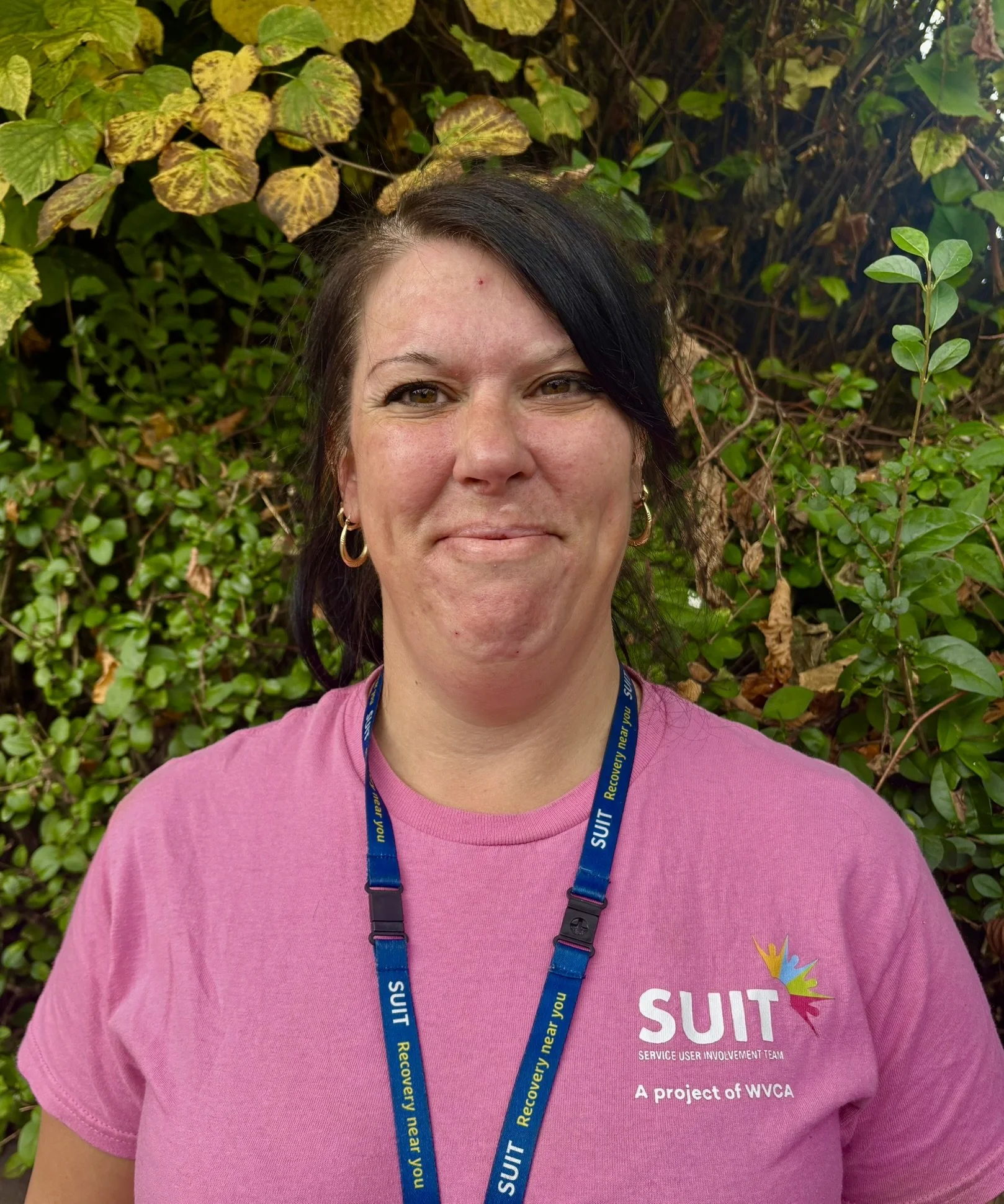
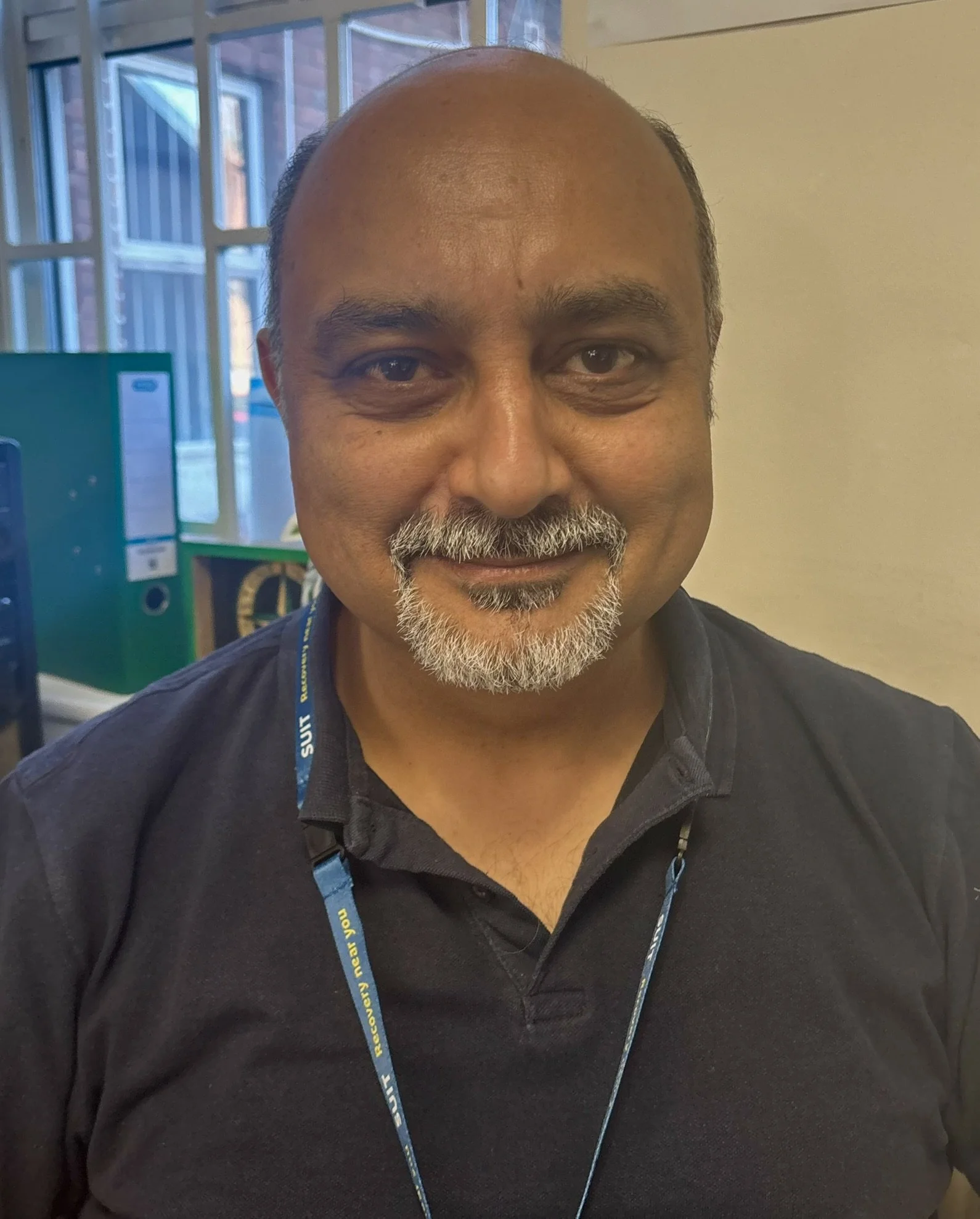
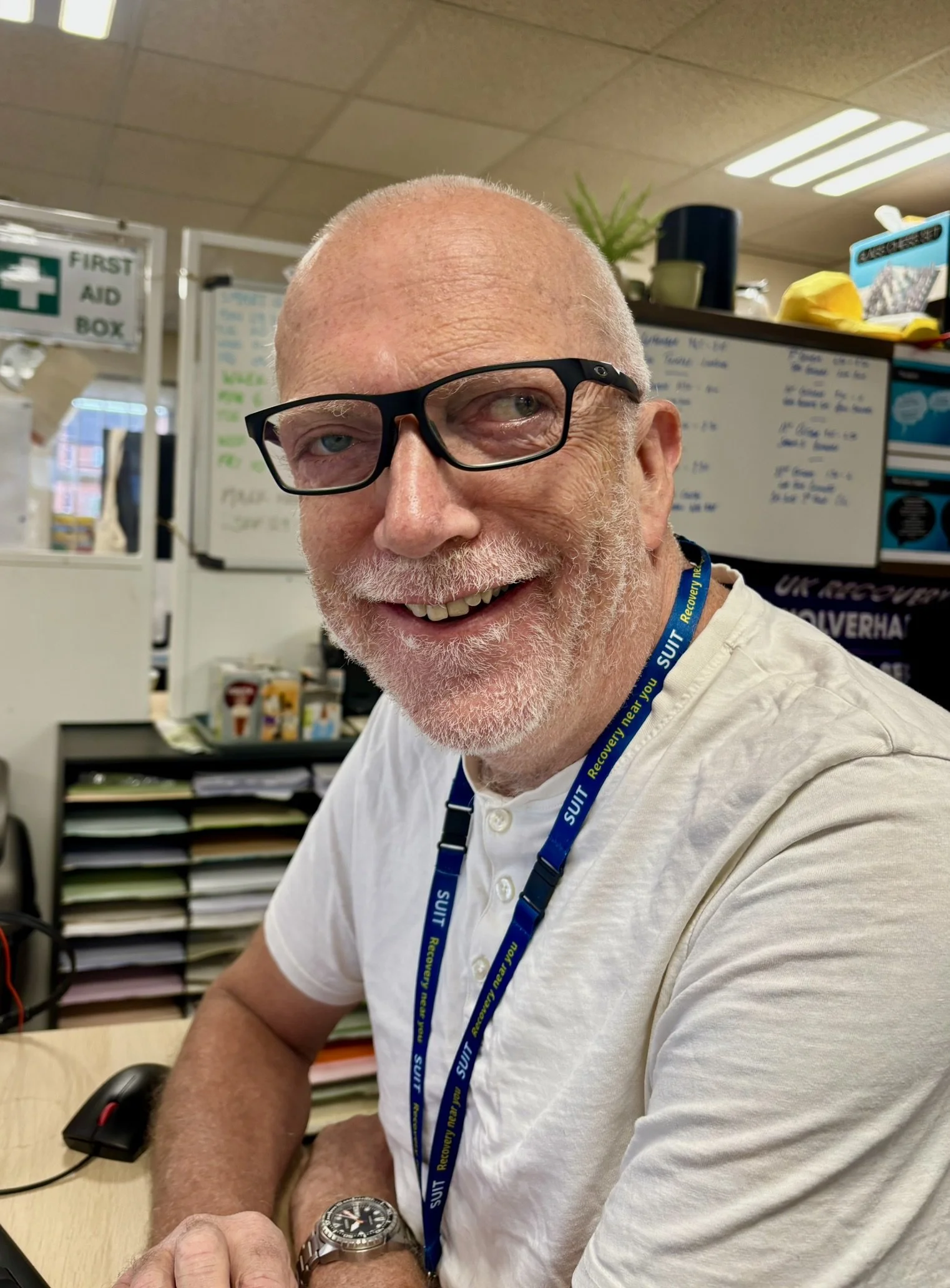
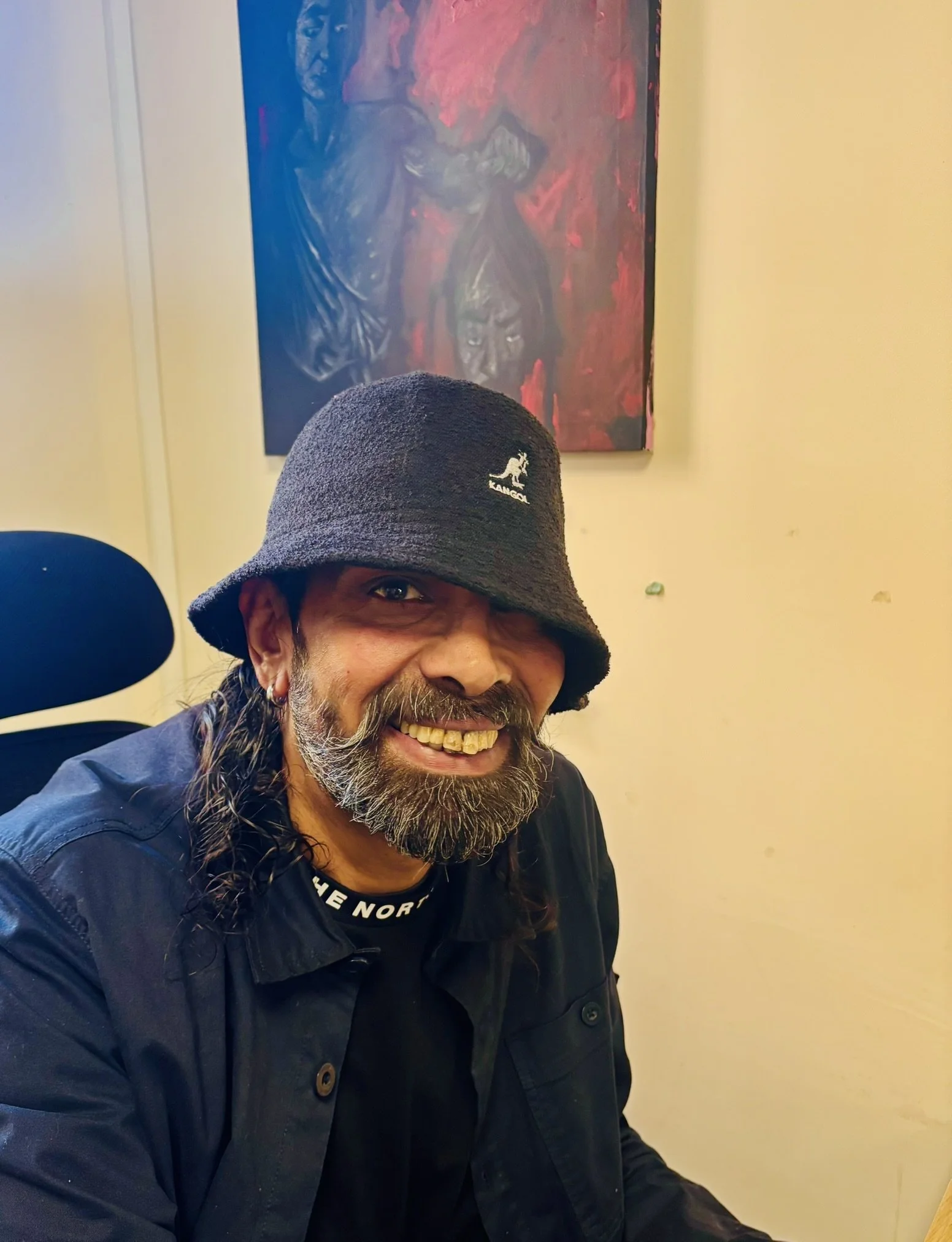
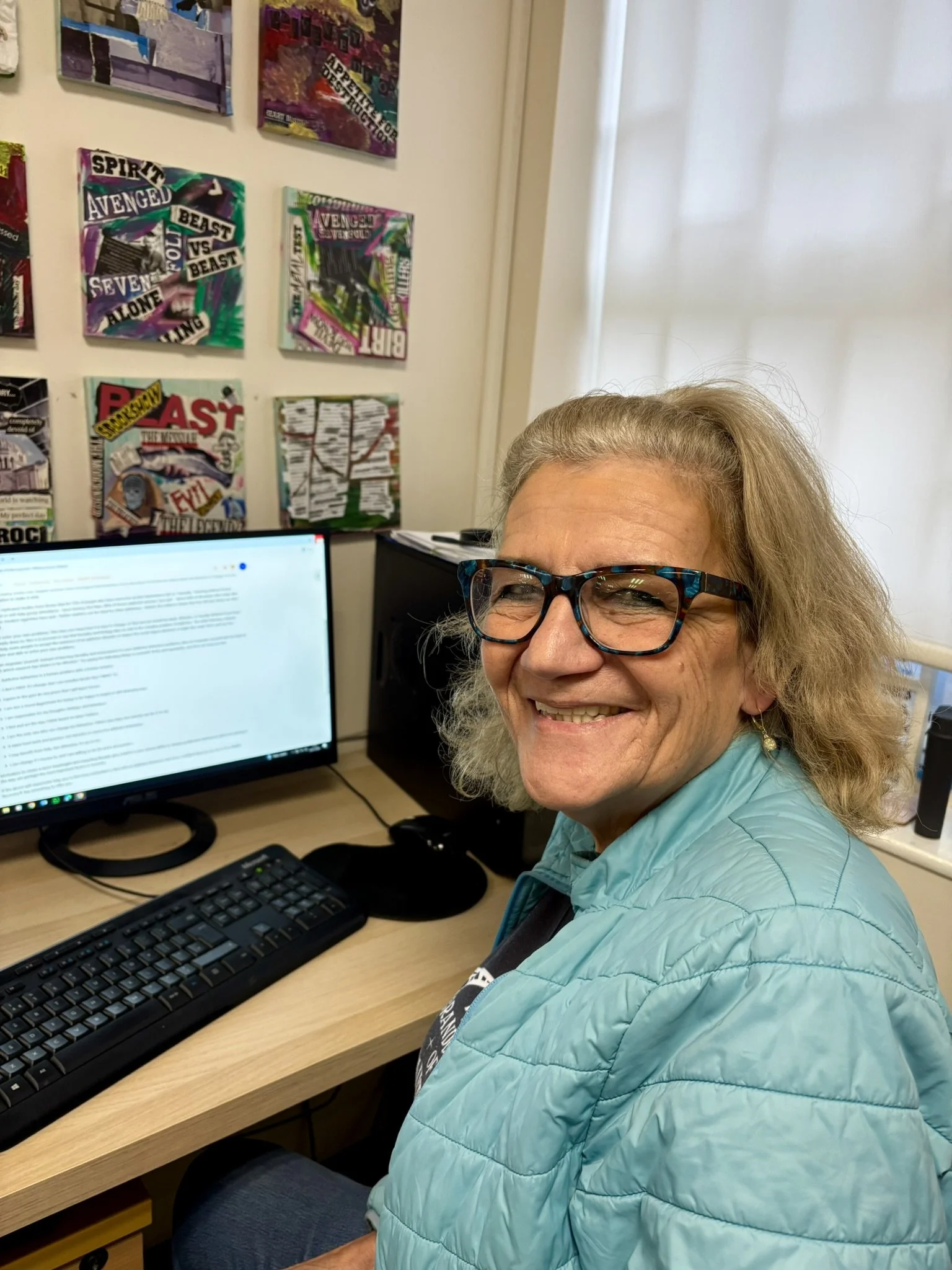
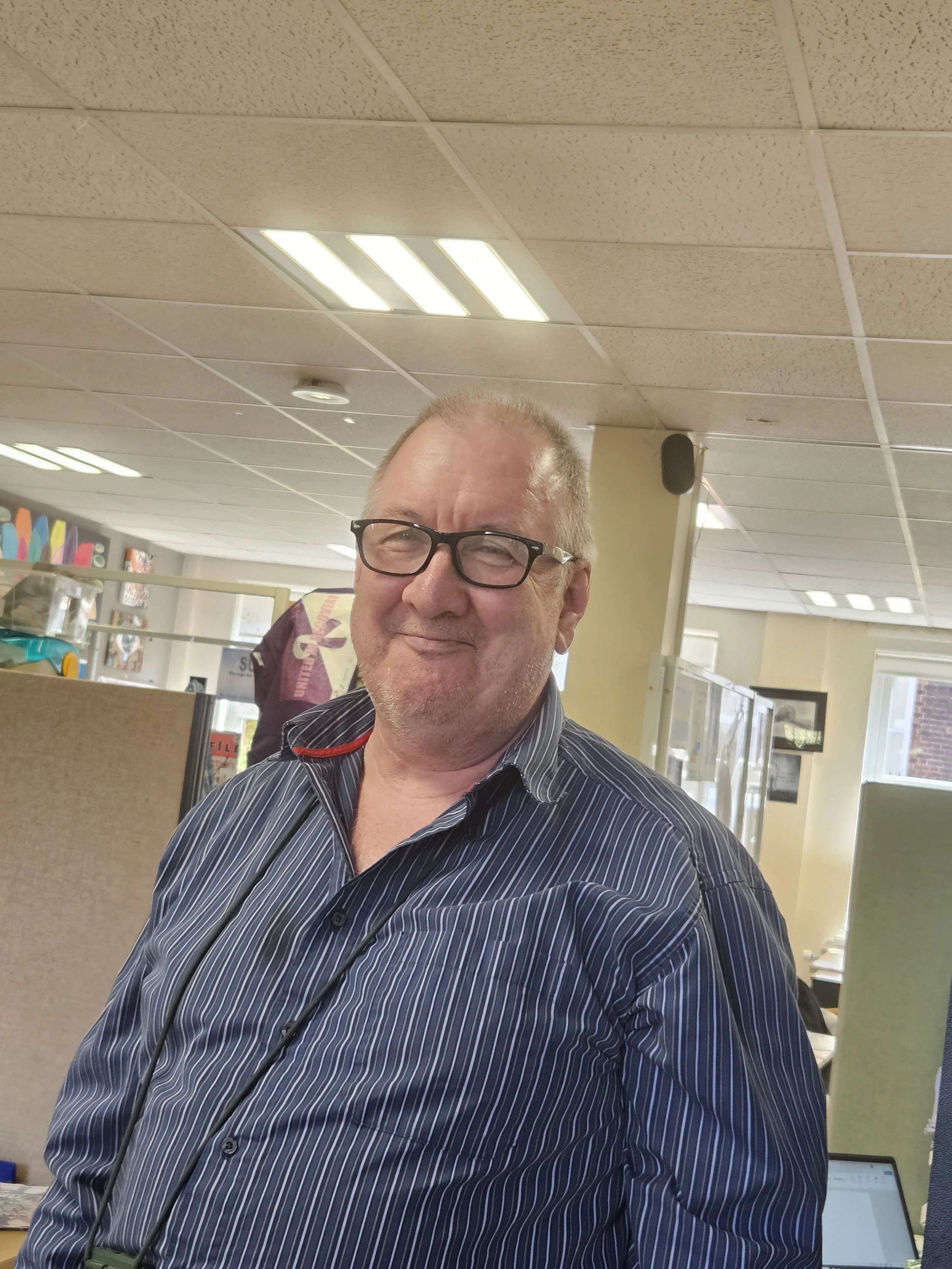
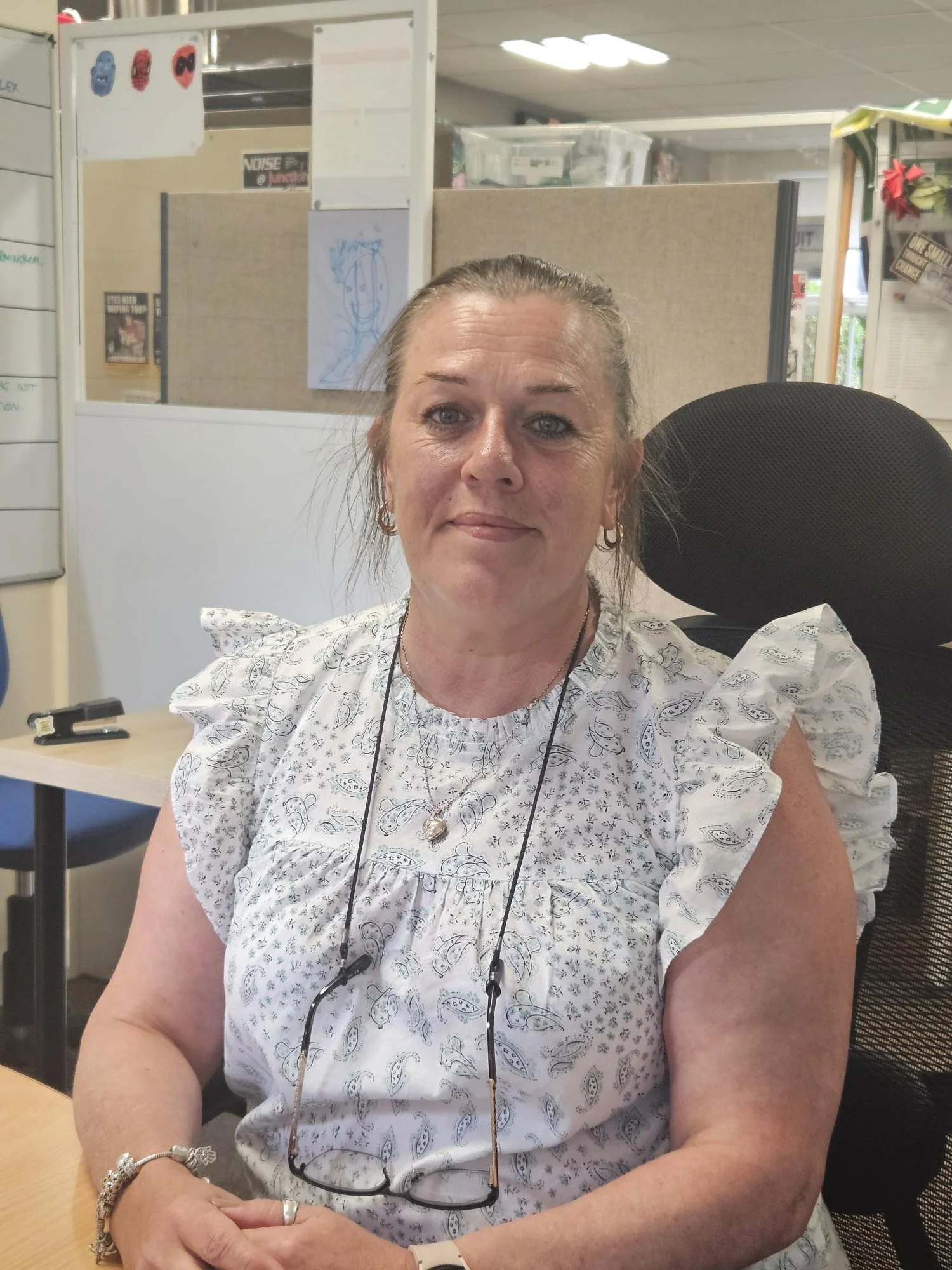
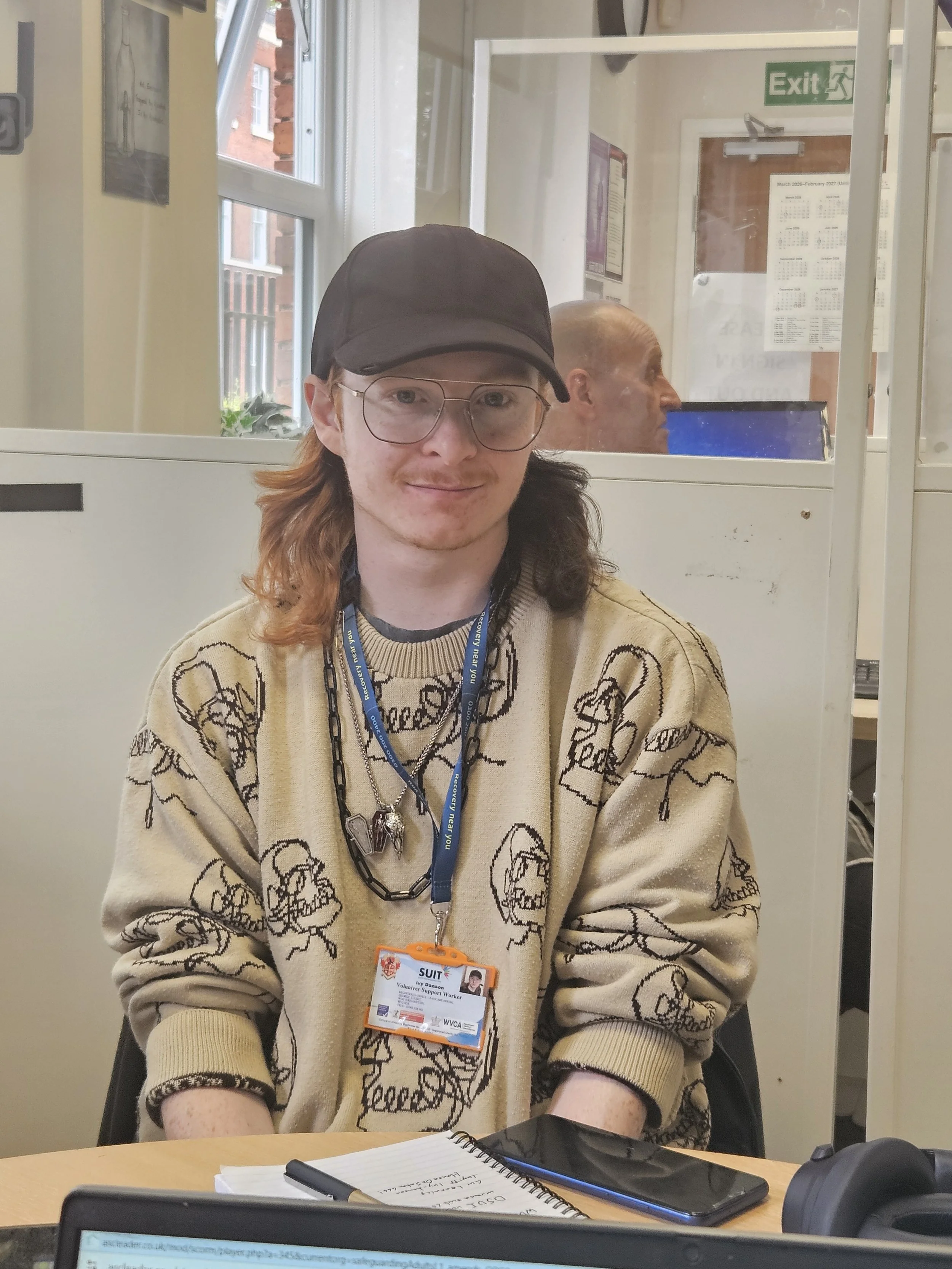
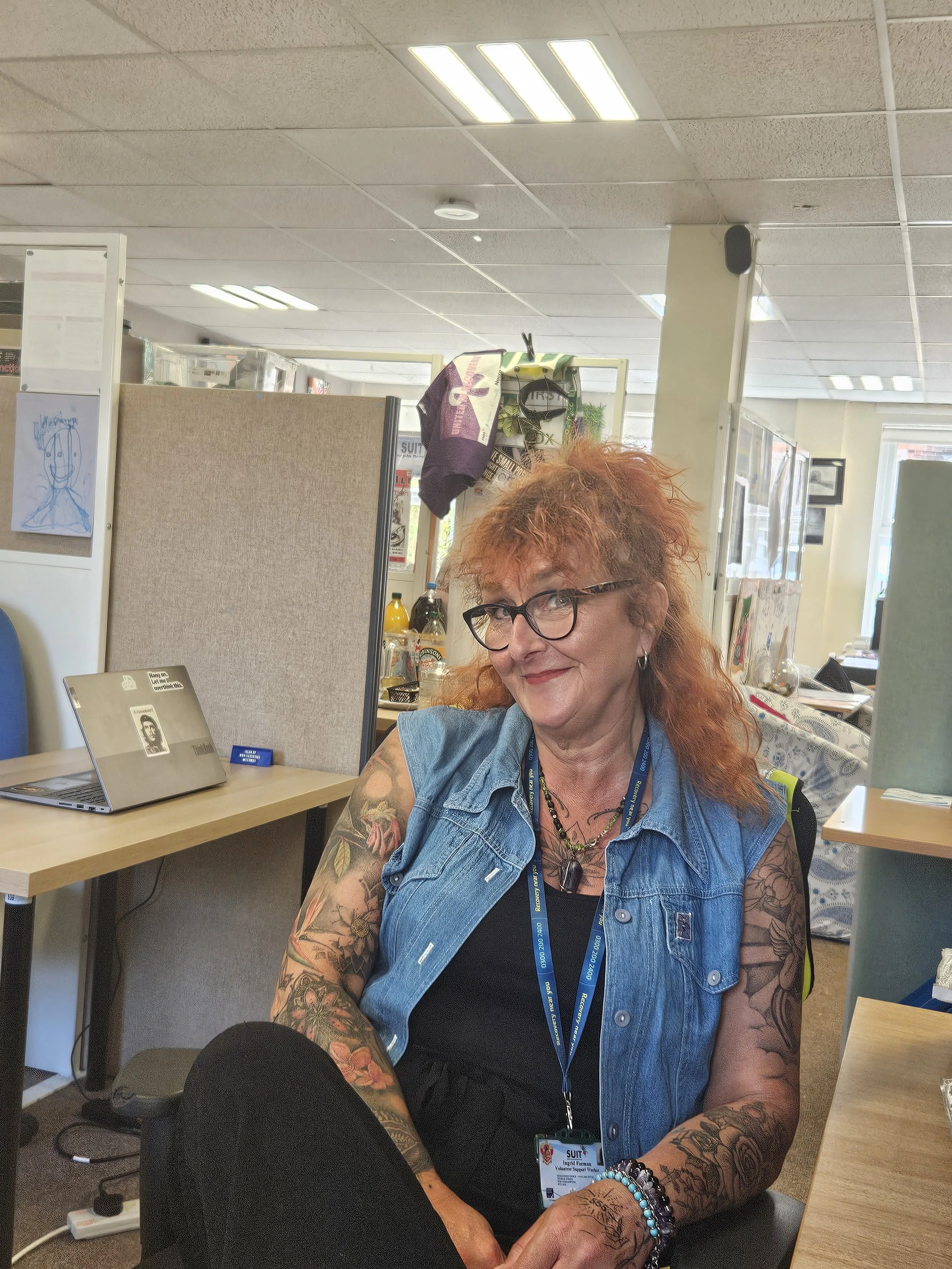

SUIT offer volunteering opportunities for people with lived experience of problematic drug & alcohol use.
The main objective of the SUIT volunteer (Recovery Ambassador) programme is to provide relevant and individual support for those in recovery who wish to rehabilitate, find value and purpose, and further opportunity in areas considered inaccessible to people previously within society.
To join SUIT’s Recovery Ambassador Programme, we ideally ask for:
Abstinence from substances/alcohol for a minimum of 3 to 6 months.
A commitment to volunteer with SUIT for a minimum of 6 hours a week.
Stability on prescriptions or assisted treatments (It is okay to be on medication).
Motivation within own recovery and demonstrate a clear plan of what recovery means.
Willingness to seek and share knowledge with peers. We believe that we are stronger together.
(These factors are all individually assessed as our mission is to give people the best opportunity. We will always work alongside you to recognise strengths and encourage growth).
About SUIT’s Recovery Ambassador Programme
Lived Experience Recovery Ambassadors provide empathy and genuine connection for those on similar journeys, whilst breaking down barriers to support.
They offer practical, first hand insights and resources, and inspire hope by demonstrating that recovery is possible.
Their involvement leads to improved service quality and fosters a more inclusive, recovery-focused culture within communities and organisations.
They attract individuals who might otherwise avoid traditional services.
Benefits of Becoming a Recovery Ambassador
Fosters a sense of purpose: Addiction can leave individuals feeling lost or without direction. By helping others, volunteers can gain a renewed sense of meaning and self-worth.
Boosts mental and emotional health: Volunteering can reduce stress, depression, and anxiety by triggering the release of mood-enhancing chemicals like serotonin and dopamine.
Enhances self-esteem and confidence: Making a tangible, positive difference in someone else's life can rebuild self-confidence that may have been damaged during addiction.
Develops new skills: Volunteer roles, such as peer mentoring, can provide valuable experience and practical skills, including communication, leadership, and empathy.
Provides a healthy, structured routine: A consistent volunteer schedule can help create positive habits and reduce unstructured, idle time, which can be a trigger for relapse.
Refocuses perspective: Concentrating on the needs of others helps shift focus away from personal struggles, which can be a therapeutic and calming experience.
Allows for a "make amends" process: For those with lived experience in recovery, volunteering can be a powerful way to make amends by contributing positively to the community.